Fiber Cement Siding Installation Cost per Sq Ft | 2026 Guide
A Comprehensive Guide to Fiber Cement Siding Installation Costs
Fiber cement siding is a composite building material made from a specialized mixture of Portland cement, sand, silica, and cellulose fibers. It has become a premier choice for residential exteriors because it offers the aesthetic appeal of traditional wood without the susceptibility to rot, termites, or fire. For homeowners and builders, understanding the financial commitment of this material is essential, as it represents a significant but durable investment in a property’s building envelope.
This guide provides an objective, detailed analysis of the factors that constitute the total expenditure of a siding project. Readers will explore the technical variations of the material, labor requirements, and long-term maintenance needs. By the conclusion of this article, you will have a clear framework for evaluating fiber cement siding installation cost per sq ft and how to plan for a successful, high-performance exterior renovation.

Overview of Fiber Cement Siding Installation Cost per Sq Ft
The core concept of fiber cement siding pricing is the balance between high material durability and intensive labor requirements. Unlike vinyl, which is lightweight and relatively easy to snap together, fiber cement is heavy, brittle until installed, and requires specialized cutting and fastening techniques. Consequently, the fiber cement siding installation cost per sq ft typically ranges from $6 to $18 depending on regional labor rates, the complexity of the home’s architecture, and the chosen finish.
Homeowners generally approach this project with the goal of a “permanent” siding solution. While the upfront cost is higher than many alternatives, the expectation is a lifespan of 30 to 50 years with minimal structural degradation. Outcomes for a well-executed installation include superior fire resistance (often rated Non-Combustible), excellent “curb appeal” due to deep wood-grain textures, and a high return on investment (ROI) during property resale.
Key Categories and Style Variations
Fiber cement can be manufactured into several different forms, each impacting the installation speed and material waste.
| Category / Type | Description | Common Use Case | Time / Cost / Effort Level |
| Lap Siding (Planks) | Long, horizontal boards that overlap. | Standard residential homes; traditional look. | Moderate / Mid-Range |
| Shingles (Shakes) | Individual or strip-based pieces mimicking cedar. | Gables, accents, or historic “Cape Cod” styles. | High / Premium |
| Architectural Panels | Large 4’x8′ or 4’x10′ smooth or textured sheets. | Modern, industrial, or commercial-style homes. | Moderate / High (due to weight) |
| Board and Batten | Vertical panels with thin strips (battens) covering seams. | Farmhouse or rustic contemporary designs. | High / Mid-Range |
| Soffit & Trim | Specialized pieces for eaves and corners. | Finishing touches to match the main siding. | Moderate / Essential |
Choosing between these styles is often a matter of architectural harmony. For instance, lap siding is the most cost-effective per square foot because it is the fastest to install. Shingles require significantly more labor as each piece must be aligned and fastened individually, increasing the total fiber cement siding installation cost per sq ft.
Practical Scenarios for Installation
Scenario 1: The Standard Suburban Retrofit
This involves replacing aging wood or vinyl siding on a two-story home with standard fiber cement lap siding.
-
Components: Removal of old siding, installation of a water-resistive barrier (WRB), 8-inch lap planks, and new corner trim.
-
Process: The crew strips the exterior, repairs any rotted sheathing, applies housewrap, and installs the planks from the bottom up.
-
Relevance: This is the most common application, where owners seek to upgrade durability without drastically changing the home’s profile.
Scenario 2: The High-Exposure Coastal Build
Homes near the ocean require maximum protection against salt air and high-velocity hurricane winds.
-
Components: Stainless steel fasteners, factory-sealed (ColorPlus) finishes, and enhanced flashing.
-
Process: Extra attention is paid to the “blind nailing” technique to ensure wind-lift resistance and sealing all cut edges with specialized paint.
-
Relevance: Fiber cement is ideal here as it does not corrode like metal or warp like wood in high-humidity environments.
Scenario 3: The Modern Panel Accent
A contemporary home design utilizing large-format panels and metal “reveal” trim for a clean, geometric look.
-
Components: 4’x10′ panels, aluminum trim channels, and structural adhesive or specialized screws.
-
Process: Panels are cut with high-precision tools and mounted with specific gaps to allow for thermal expansion, often requiring more than two workers to handle each sheet.
-
Relevance: This scenario highlights the material’s versatility, moving away from traditional “wood looks” toward an industrial aesthetic.
Comparison: Scenario 1 focuses on efficiency and value; Scenario 2 prioritizes longevity in harsh climates; Scenario 3 emphasizes design and specialized handling. Most residential projects fall into the first category, but custom builds often blend all three.
Planning, Budgeting, and Resource Considerations
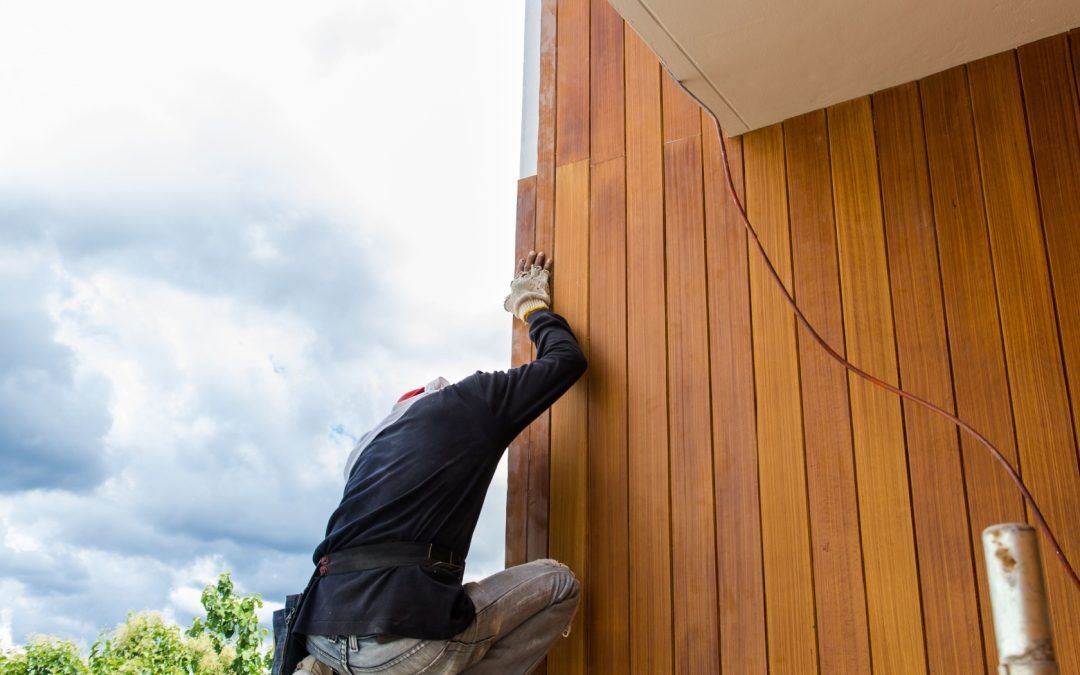
Proper planning involves accurately calculating the “square” of the home (one square equals 100 square feet of wall area). Because fiber cement is heavy, shipping costs and the need for heavy-duty scaffolding also factor into the budget.
| Category | Estimated Amount (2026 Example) | Explanation | Optimization Tips |
| Materials (Planks) | $2.50 – $6.00 per sq ft | The cost of the siding boards themselves. | Buy factory-finished boards to save on field painting. |
| Labor | $4.00 – $10.00 per sq ft | Specialized cutting, nailing, and caulking. | Schedule during “shoulder seasons” for better rates. |
| Prep (Tear-off) | $1.00 – $2.50 per sq ft | Removing and disposing of old siding. | DIY the debris removal if the contractor allows it. |
| Waste Allowance | 10% of material total | Accounting for cuts around windows/doors. | Use a simplified layout to minimize complex cuts. |
Note: These figures are illustrative examples. Actual fiber cement siding installation cost per sq ft will fluctuate based on the local cost of living and specific brand selections.
Strategies, Tools, and Support Options
Successful installation requires specific strategies to manage the material’s unique physical properties.
-
Factory Finishing (Pre-painted): The siding is painted in a controlled environment before arriving at the site.
-
Pros: 15-year finish warranties; no weather delays for painting.
-
Cons: Higher initial material cost; requires touch-up paint for every cut.
-
-
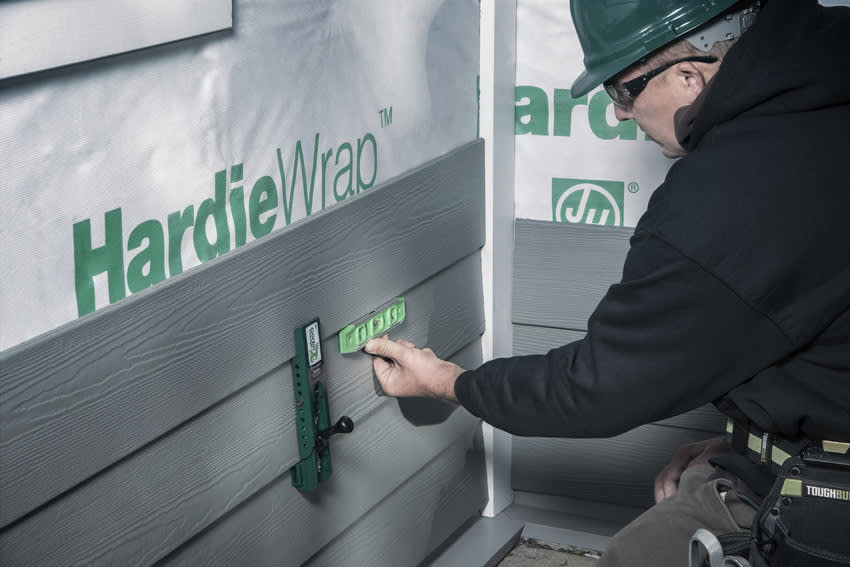
Gecko Gauges: Specialized clamping tools that hold the siding in place for a single-person install.
-
Pros: Increases accuracy of the “reveal” (the visible part of the board); reduces labor headcount.
-
Cons: Only works for lap siding profiles.
-
-
PCD (Polycrystalline Diamond) Saw Blades: Blades designed specifically to cut through abrasive cement.
-
Pros: Cleaner cuts; lasts significantly longer than standard carbide blades.
-
Cons: Expensive (often $50-$100 per blade); generates fine dust that must be managed.
-
-
Shears (Snappers): Handheld or power tools that “bite” through the siding rather than sawing it.
-
Pros: Virtually dust-free; quiet operation.
-
Cons: Slower than a circular saw; can leave a slightly ragged edge that must be hidden by trim.
-
Safety, Risks, and Common Challenges
-
Silica Dust Exposure: Cutting fiber cement creates dust containing crystalline silica. Inhalation is a serious health risk (silicosis). Prevention: Use HEPA-filtered vacuums on saws or use “snapping” shears that do not produce dust.
-
Improper Fastening: If nails are driven too deep (“over-driven”) or at an angle, the brittle board can crack. Prevention: Set pneumatic nail guns to the correct PSI and use a flush-mount attachment.
-
Ground Clearance: Installing siding too close to the ground or rooflines can lead to moisture wicking. Prevention: Maintain a 2-inch gap from hard surfaces (roofs, decks) and a 6-inch gap from bare soil.
-
Inadequate Caulking: The joints where siding meets trim are the most vulnerable points for water. Prevention: Use high-quality, permanently flexible sealant and never caulk the “butt joints” where two planks meet in the middle of a wall.
Maintenance and Best Practices
To ensure the investment holds its value, a regular management checklist is necessary. Fiber cement is low-maintenance, but not maintenance-free.
-
Annual Inspection: Walk the perimeter every spring to check for gaps in caulk or physical damage from landscaping equipment.
-
Cleaning: Wash the siding once a year with a garden hose and a soft-bristle brush. Note: Avoid high-pressure washers, which can drive water behind the boards or damage the finish.
-
Recaulking: Typically, the sealant around windows and doors will need replacement every 7 to 10 years as the house settles and the caulk dries out.
-
Repainting: If the siding was field-painted, it may require a fresh coat every 10 to 12 years. Factory-finished products often last 15 years or more before showing significant fade.
Documentation and Reporting
Organizing project records is helpful for warranty claims and future home appraisals.
-
Organizing Information: Keep a file with the manufacturer’s installation instructions, the specific color code of the paint, and the contractor’s “workmanship warranty” (usually 1 to 5 years).
-
Example 1: A homeowner retains the NFRC or manufacturer labels from the siding bundles to prove they used a specific “fire-rated” product for insurance discounts.
-
Example 2: A builder provides a “Completion Report” including photos of the housewrap and flashing details before they were covered by the siding to verify code compliance.
Closing Summary
The fiber cement siding installation cost per sq ft reflects a premium product that requires skilled labor and specialized equipment. By understanding the different style categories and prioritizing proper installation techniques—such as dust management and correct clearance—property owners can ensure a durable, beautiful exterior that lasts for decades.