Skylight Leak Repair Cost Estimate: A Comprehensive Guide
A Comprehensive Guide to Skylight Leak Repair and Cost Estimation
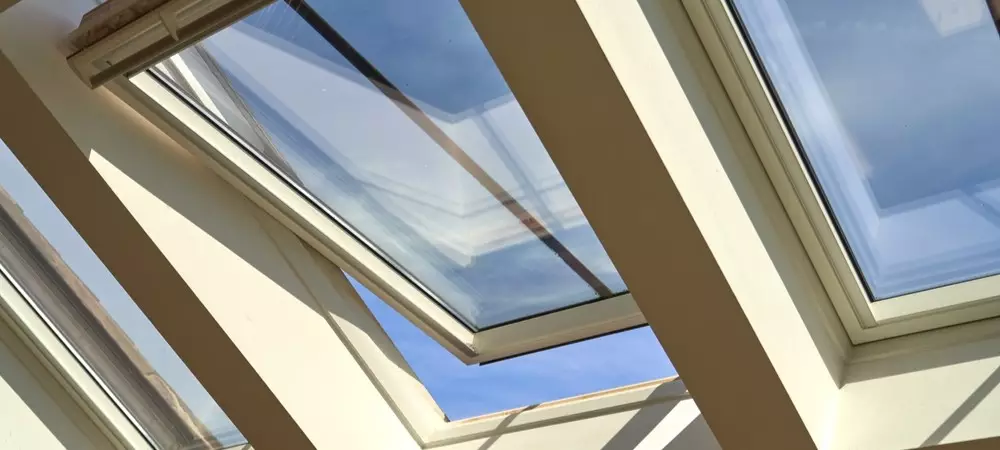
Skylights are architectural features designed to admit natural light into a building’s interior while providing a visual connection to the outdoors. While they offer significant aesthetic and energy-saving benefits, skylights represent a breach in the roof’s structural envelope. Over time, the materials used to seal these openings—such as rubber gaskets, metal flashing, and specialized sealants—can degrade due to UV exposure, temperature fluctuations, and moisture. Addressing a leak promptly is essential to prevent secondary damage to the home’s framing, insulation, and interior drywall.
This guide provides an objective, educational analysis of the variables involved in a skylight leak repair cost estimate. Readers will learn how to identify common failure points, understand the technical approaches professionals use for repairs, and navigate the budgeting process for various scales of intervention. By understanding the underlying mechanics of skylight construction and the logistics of roofing repairs, property owners can make informed decisions to protect their investment and ensure the longevity of their home’s roofing system.
Understanding Skylight Leak Repair Cost Estimate
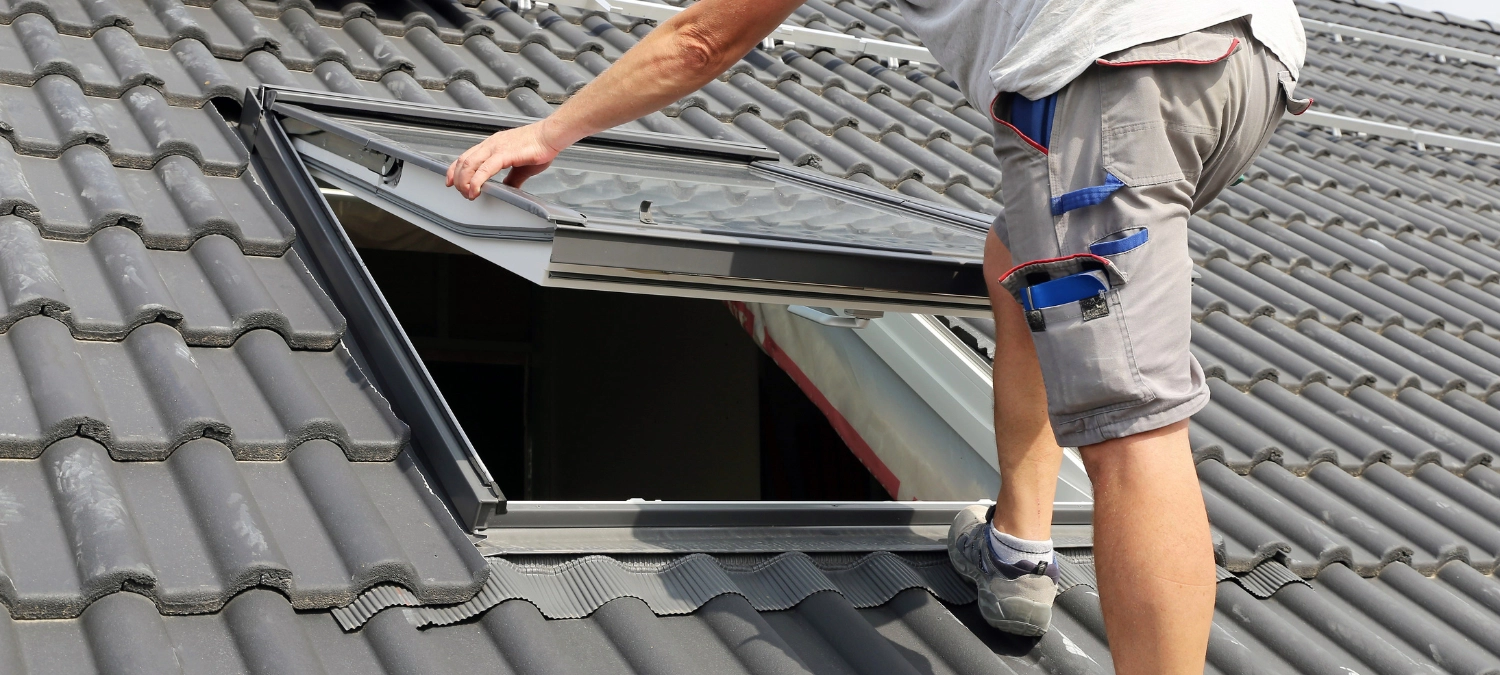
The core concept of a skylight leak repair cost estimate involves a diagnostic assessment of the water entry point and the labor required to restore the unit’s watertight integrity. Unlike a standard window, a skylight must shed water from a horizontal or sloped surface, making it subject to more intense hydrostatic pressure and debris accumulation. Most property owners approach this by first determining if the leak originates from the skylight unit itself (the glass and frame) or the interface where the skylight meets the roof (the flashing and shingles).
Typical goals for a repair project include stopping the immediate water intrusion, drying out the affected area to prevent mold, and restoring the aesthetic finish of the interior ceiling. Outcomes vary significantly based on the severity of the leak; a simple resealing of a gasket may resolve the issue for several years, whereas a failure in the roof-to-skylight flashing may require significant removal of surrounding shingles. An accurate estimate must account for the height of the roof, the pitch (steepness), and the specific type of skylight—whether fixed, vented, or tubular.
Key Categories of Skylight Repairs
Identifying the specific failure helps in categorizing the repair and determining the level of professional expertise required.
| Category / Type | Description | Common Use Case | Time / Cost / Effort Level |
| Gasket/Sealant Repair | Replacing rubber seals or applying high-grade silicone. | Aging units where the glass seal has dried out. | Low / Economical |
| Flashing Replacement | Removing shingles to replace metal “tin” or “step” flashing. | Leaks occurring at the base or corners of the unit. | Moderate / Mid-Range |
| Curb Reconstruction | Rebuilding the wooden frame (curb) the skylight sits on. | Advanced rot caused by long-term moisture. | High / Premium |
| Glazing Replacement | Replacing the actual glass or acrylic pane. | Cracked glass or failed seals in double-pane units. | High / Premium |
| Condensation Fix | Improving ventilation to prevent interior moisture. | Units that appear to leak but are actually sweating. | Low / Moderate |
Choosing between these categories depends on the “age-to-cost” ratio. For a skylight over 15 years old, a skylight leak repair cost estimate for flashing replacement may approach the price of a total unit replacement. Generally, if the leak is localized to the glass-to-frame seal, a sealant repair is sufficient; if the leak is occurring inside the roof structure, flashing or curb work is necessary.
Practical Scenarios for Leak Intervention
Scenario 1: The Aging Rubber Gasket
Over 10 to 20 years, the rubber seals that hold the glass in place can shrink or crack due to sun exposure.
-
Components: UV-resistant silicone, replacement rubber gaskets, and glass cleaners.
-
Process: Removing old sealant, cleaning the glass perimeter, and applying a new bead of structural sealant or a manufacturer-specific gasket.
-
Relevance: This is the most common “minor” repair that prevents water from seeping between the glass and the metal frame.
Scenario 2: The Improperly Flashed Corner
Many leaks occur at the “top” of the skylight where water hits the unit and must be diverted around it.
-
Components: Aluminum or copper step flashing, ice and water shield membrane, and matching shingles.
-
Process: Removing two rows of shingles around the unit, installing a waterproof membrane, and weaving new metal flashing into the roof layers.
-
Relevance: This scenario addresses structural failures in the roofing interface rather than the window itself.
Scenario 3: The Cracked Acrylic Dome
Plastic dome skylights can become brittle and develop “crazing” (micro-cracks) or large structural fractures.
-
Components: Replacement dome, curb tape, and mechanical fasteners.
-
Process: Unscrewing the damaged dome from the curb, applying new sealant tape, and mounting a new impact-resistant dome.
-
Relevance: Common in commercial or older residential applications, this is a material replacement rather than a seal repair.
Comparison: Scenario 1 is a topical maintenance task; Scenario 2 is a roofing integration task; Scenario 3 is a hardware replacement. Readers in high-wind or high-snow areas typically suit Scenario 2, while those in warmer, sunny climates often face Scenario 1.
Planning, Budgeting, and Resource Considerations
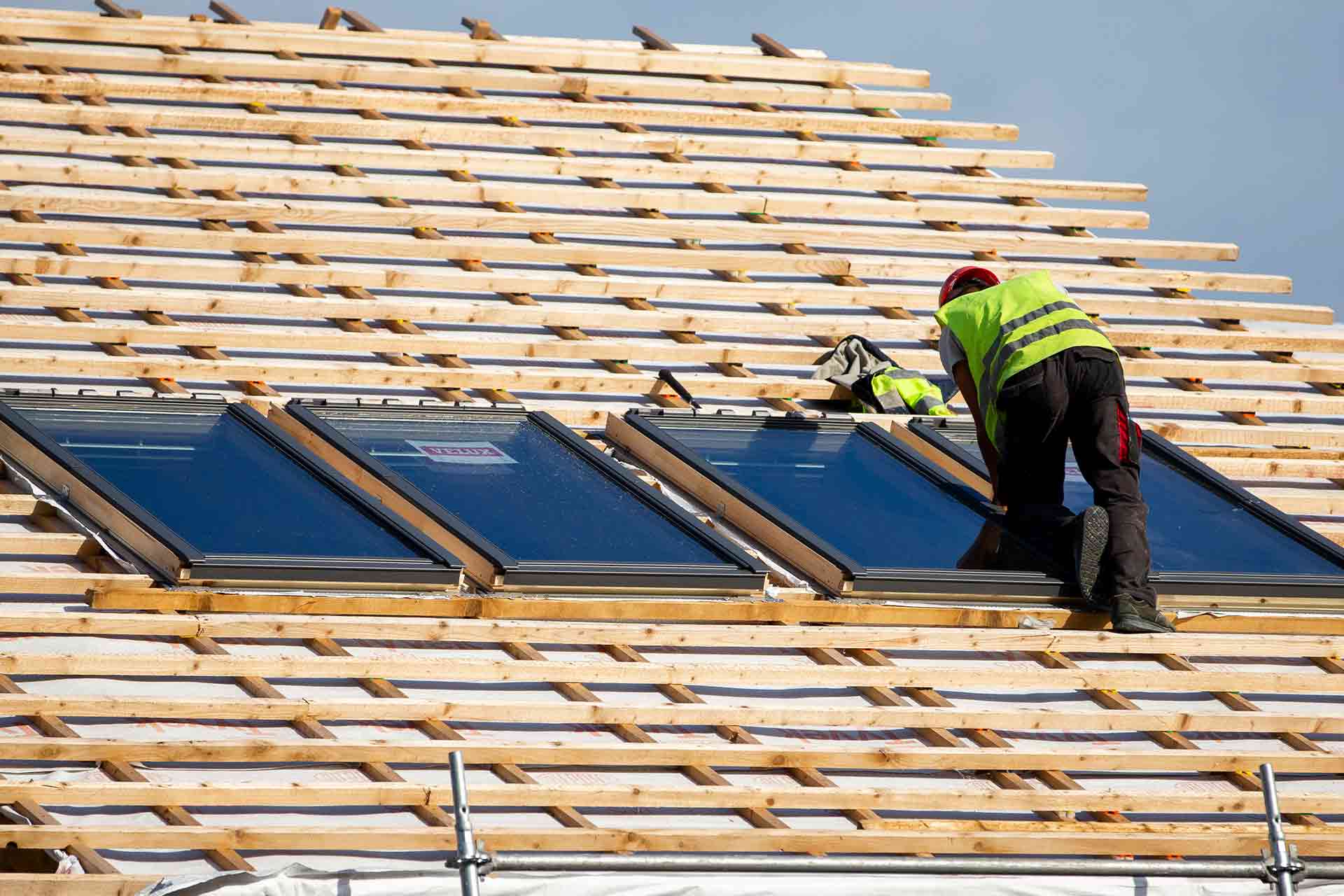
Planning for a skylight repair requires a clear understanding of the “hidden” costs, such as interior drywall repair or the need for safety scaffolding.
| Category | Estimated Amount (Example) | Explanation | Optimization Tips |
| Diagnostic Visit | $150 – $300 | Professional time to find the leak source. | Perform a “water test” with a hose before the pro arrives. |
| Materials (Sealants/Flashing) | $50 – $250 | High-performance roofing materials. | Ensure materials match the existing roof color and type. |
| Labor (Roof Work) | $300 – $1,200 | Time spent on the roof; higher for steep pitches. | Bundle repairs if multiple skylights are present. |
| Interior Restoration | $200 – $600 | Patching drywall and repainting the light well. | Wait until after the first heavy rain to ensure the leak is fixed. |
Note: These figures are illustrative examples based on 2026 market averages and may vary by geographic location and roof height.
Strategies, Tools, and Support Options
Professionals use several strategies to ensure a skylight leak repair cost estimate remains accurate and the fix remains permanent.
-
Hose Testing: Systematically spraying water on sections of the skylight from bottom to top.
-
Advantage: Isolates whether the leak is in the sill, the side flashing, or the top glazing.
-
Disadvantage: Can be inconclusive if the leak only occurs under heavy wind-driven rain.
-
-
Thermal Imaging: Using infrared cameras to detect moisture behind drywall or under shingles.
-
Advantage: Non-invasive way to find the extent of water damage.
-
Disadvantage: Does not always pinpoint the exact entry hole on the exterior.
-
-
Pressure-Sensitive Adhesives (PSA): Using high-tech tapes instead of traditional liquid sealants.
-
Advantage: Provides a more consistent, long-term bond that is less likely to crack.
-
Disadvantage: More expensive and requires a very clean surface for adhesion.
-
-
Curb Flashing Kits: Using pre-manufactured kits from the skylight maker.
-
Advantage: Guaranteed to fit the specific model; highest reliability for preventing leaks.
-
Disadvantage: Not available for older, discontinued, or custom-built skylights.
-
Safety, Risks, and Common Challenges
-
Fall Hazards: Working on a roof, especially near a hole (the skylight), is dangerous. Mitigation: Use fall arrest harnesses and ensure ladders are properly secured.
-
Misdiagnosis: Mistaking interior condensation for a roof leak. Why it happens: In cold weather, warm moist air from inside hits cold glass and drips down. Prevention: Check if the “leak” occurs only during cold snaps or only during rain.
-
Structural Rot: A leak that has gone on for months can rot the roof deck. Issue: The repair may end up being much larger than the initial estimate once the shingles are removed.
-
Glass Breakage: Tempered glass can shatter if hit by tools or if the frame is torqued too tightly. Mitigation: Protect the glass with a thick blanket during surrounding roof work.
Maintenance and Long-Term Management
A regular maintenance schedule is the most effective way to avoid a large skylight leak repair cost estimate.
-
Clear Debris: Twice a year, remove leaves and pine needles from the “uphill” side of the skylight. Debris traps moisture and causes the flashing to rust or the shingles to rot.
-
Gasket Inspection: Check the rubber seals for signs of peeling or shrinking every two years.
-
Check Weep Holes: Many skylights have internal drainage holes to allow condensation to escape. Ensure these are not clogged with dust or insects.
-
Tighten Fasteners: Extreme temperature changes can cause screws to loosen. Ensure the frame is still snug against the curb.
Documentation and Project Reporting
Organizing repair records is essential for insurance claims and home resale value.
-
Organizing Tips: Keep a log of when the leak was first noticed, the weather conditions, and photos of both the interior damage and the exterior repair.
-
Example 1: A homeowner saves the specific brand of sealant used to ensure future touch-ups are chemically compatible.
-
Example 2: An owner provides a “Certificate of Repair” from a licensed roofer to a potential buyer to prove that a previous water stain on the ceiling has been structurally resolved.
Closing Summary
Accurately calculating a skylight leak repair cost estimate requires a careful diagnosis of whether the failure is in the glazing, the frame, or the roofing integration. By prioritizing early detection, using model-specific flashing kits, and maintaining clear drainage around the unit, property owners can effectively manage costs and preserve the structural integrity of their home.