Guide to Insulated Garage Door Replacement Value | R-Values & Costs
A Comprehensive Guide to Insulated Garage Door Replacement
Garage doors represent the largest moving part of a home and often occupy a significant portion of the front-facing exterior. While a door’s primary function is to provide security and access, the integration of thermal insulation has become a standard in modern construction and renovation. An insulated garage door acts as a thermal barrier, regulating the temperature of the garage space and, by extension, influencing the energy efficiency of the entire household.
This guide provides an objective, educational analysis of the factors that determine insulated garage door replacement value. Readers will learn about the different types of insulation materials, the technical measurements used to calculate thermal resistance, and the logistical considerations involved in a professional installation. By understanding these variables, property owners can make informed decisions that balance upfront costs with long-term energy savings and structural durability.
Understanding Insulated Garage Door Replacement Value
The core concept of an insulated garage door is the “sandwich” construction method, where a layer of insulating material is bonded between two sheets of steel, aluminum, or wood. The primary metric used to evaluate these doors is the R-value, which measures the material’s resistance to heat flow. A higher R-value indicates superior insulating properties. Property owners typically approach replacement with the goal of stabilizing the temperature of a garage that is attached to the living quarters of a home.
When assessing insulated garage door replacement value, expectations usually include a reduction in energy transfer through the common wall of the house, dampened exterior noise, and increased door rigidity. Because the garage is often unconditioned (not heated or cooled), an insulated door helps maintain a temperature that is significantly warmer in winter and cooler in summer than the exterior environment. This protection extends to the home’s HVAC system, which does not have to work as hard to compensate for the “thermal hole” created by an uninsulated door.
Key Categories of Insulation and Door Construction
The materials used for insulation vary in density, thickness, and thermal effectiveness. Selecting the right category depends on the local climate and how the garage space is utilized.
| Category / Type | Description | Common Use Case | Time / Cost / Effort Level |
| Polystyrene (Panel) | Rigid foam sheets inserted into the door’s interior. | Standard residential garages in mild climates. | Low / Economical |
| Polyurethane (Injected) | Liquid foam injected into the core that expands and hardens. | High-efficiency homes; extreme weather regions. | Moderate / Premium |
| Single-Layer | A hollow steel shell with no insulation. | Detached garages or sheds used only for storage. | Low / Economical |
| Triple-Layer | Steel on both sides with a thick core of insulation. | Workshops, gyms, or attached living spaces. | High / Premium |
| Glass/Aluminum | Large glass panes with insulated frames. | Modern architecture prioritizing natural light. | High / Luxury |
Choosing between these options requires weighing the initial investment against the R-value requirements. Polyurethane is generally considered the more effective insulator because it fills every cavity of the door panel, providing superior structural strength and a higher R-value per inch compared to polystyrene.
Practical Scenarios for Thermal Upgrades
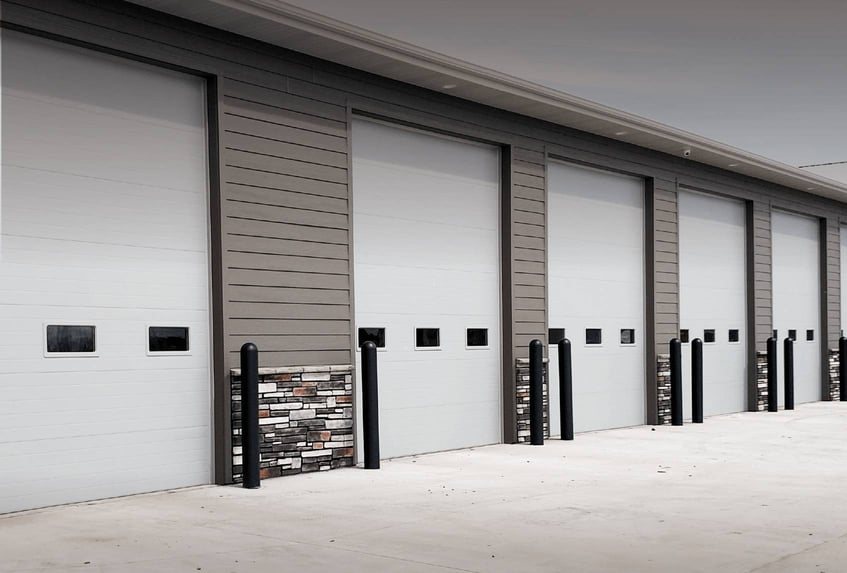
Scenario 1: The Attached Multi-Story Home
When a bedroom or living space is located directly above the garage, the temperature of the garage floor and ceiling significantly affects the comfort of the residents.
-
Components: Injected polyurethane insulation, high-quality perimeter weatherstripping, and a reinforced bottom seal.
-
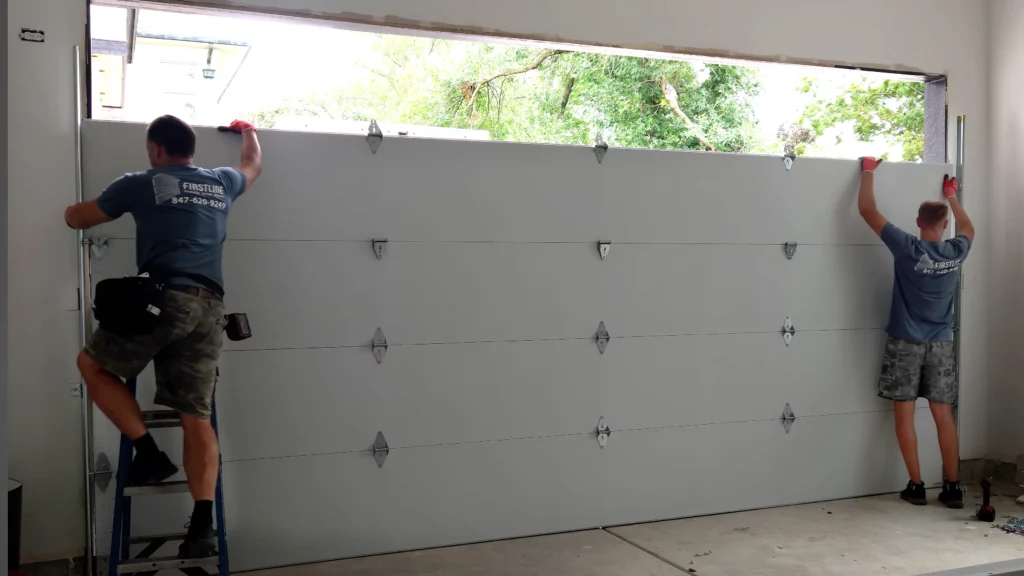
Process: Removing the old hollow-core door, installing high-tension springs rated for heavier insulated panels, and ensuring the door tracks are perfectly aligned.
-
Relevance: This scenario maximizes insulated garage door replacement value by directly reducing the heating and cooling load of the rooms adjacent to the garage.
Scenario 2: The Garage-Based Workshop or Gym
Homeowners who spend several hours a day in the garage for hobbies or fitness require a controlled climate.
-
Components: R-12 to R-18 rated triple-layer steel door, insulated glass inserts, and an airtight “threshold” seal.
-
Process: Installation involves assessing the door’s weight to ensure the existing automatic opener has the horsepower to lift the denser insulated panels safely.
-
Relevance: Insulation not only manages temperature but also provides acoustic dampening, preventing noise from tools or music from disturbing the neighborhood.
Scenario 3: The Cold-Climate Storage Protection
In regions where temperatures drop below freezing, an insulated door protects stored items like paint, fluids, and car batteries from damage.
-
Components: Polystyrene-filled panels with thermal breaks (plastic separators that prevent cold from traveling through the steel).
-
Process: Replacing the door and adding a “brush seal” to the header to prevent wind-driven snow from entering small gaps.
-
Relevance: This is a mid-range solution that prevents the garage from becoming an “ice box” without the expense of a high-end polyurethane system.
Comparison: Scenario 1 focuses on home energy efficiency; Scenario 2 focuses on interior comfort and noise; Scenario 3 focuses on protecting the garage’s contents. Readers should choose the category that matches their geographic location and intended garage usage.
Planning, Cost, and Resource Considerations
Meticulous planning is required because an insulated door is significantly heavier than a non-insulated one. This weight difference necessitates a change in the torsion spring system, which is a critical safety component.
| Category | Estimated Amount (2026 Example) | Explanation | Optimization Tips |
| Door Unit (R-12) | $1,200 – $2,500 | The cost of the insulated panels and hardware. | Choose standard colors (white/almond) to avoid custom fees. |
| Labor (Pro) | $300 – $700 | Removal of the old door and precise spring calibration. | Group the installation with an opener upgrade to save on labor. |
| Springs/Track | $150 – $400 | High-cycle springs designed for the door’s specific weight. | Invest in “high-cycle” springs for double the lifespan. |
| Weatherstripping | $50 – $150 | Top, side, and bottom seals to prevent air leaks. | Use “double-fin” vinyl seals for the best air barrier. |
Note: These figures are examples for educational purposes; actual costs will vary based on regional labor rates and specific material prices.
Strategies for Evaluating Performance and Support
To ensure the insulated garage door replacement value is realized, property owners should utilize specific evaluation strategies:
-
Thermal Break Inspection: Checking if the door panels have a non-conductive material separating the inner and outer metal skins.
-
Advantage: Prevents “frosting” on the inside of the door during winter.
-
Disadvantage: May add a slight premium to the material cost.
-
-
Sound Transmission Class (STC) Rating: Evaluating the door’s ability to block exterior noise.
-
Advantage: Useful for homes near busy streets or airports.
-
Disadvantage: Higher STC ratings often require heavier, more expensive insulation.
-
-
Wind-Load Certification: Ensuring the door is reinforced for local wind speed requirements.
-
Advantage: Required by code in many coastal or storm-prone areas.
-
Disadvantage: Can make the door panels thicker and heavier.
-
-
U-Factor vs. R-Value: While R-value measures the material, U-factor measures the heat transfer of the entire door assembly.
-
Advantage: U-factor is a more accurate representation of real-world energy loss.
-
Disadvantage: Not all manufacturers provide U-factor data as standard.
-
Safety, Risks, and Common Challenges
-
Spring Tension: Torsion springs are under extreme tension. Attempting to install or adjust springs without professional training is a significant safety risk.
-
Opener Compatibility: A standard 1/2 HP opener may struggle with a heavy triple-layer insulated door. Mitigation: Upgrade to a 3/4 HP or 1 HP belt-drive opener for smoother, quieter operation.
-
Thermal Bridging: If the door has no thermal break, the insulation’s effectiveness is bypassed as cold travels through the metal frame. Prevention: Verify the manufacturer includes a “thermal break” in the panel design.
-
Improper Sealing: Even a high R-value door will fail if air leaks through the gaps at the top or sides. Prevention: Ensure the “stop molding” is pressed firmly against the door when it is in the closed position.
Maintenance and Long-Term Management
Ongoing maintenance ensures the insulation and sealing components do not degrade over time.
-
Check the Bottom Seal: The rubber “U-bulb” at the bottom of the door can crack or flatten. Replace it every 3–5 years to maintain an airtight seal against the floor.
-
Lubricate Hinges and Rollers: Use a silicone-based spray twice a year. If the door moves roughly, it can stress the insulation’s structural bonding over time.
-
Visual Inspection of Weatherstripping: Look for daylight around the perimeter of the door when it is closed. If you see light, air is escaping.
-
Balance Test: Disconnect the opener and lift the door halfway. If it stays in place, it is balanced. If it falls or shoots up, the springs are incorrectly calibrated for the weight of the insulation.
Documentation and Reporting
Organizing project outcomes is vital for home appraisals and energy efficiency tax credits.
-
Documentation Tips: Keep the manufacturer’s “Product Data Sheet” that lists the R-value and U-factor. Save the receipt showing the professional installation date.
-
Example 1: A homeowner provides the R-value documentation to a real estate appraiser to justify a higher valuation based on the “Energy Efficient Home” category.
-
Example 2: An owner submits the technical specifications of their new door to the local utility company to qualify for a “Winterization” rebate.
Closing Summary
The insulated garage door replacement value is realized through a combination of high-density insulation, structural rigidity, and meticulous perimeter sealing. By selecting the appropriate material—such as injected polyurethane—and ensuring a professional installation that accounts for the increased weight and spring tension, property owners can significantly improve their home’s thermal efficiency and overall comfort.