Professional Exterior House Painting Quotes: A Homeowner’s Guide
A Practical Guide to Evaluating Professional Exterior House Painting Quotes
Exterior house painting is a fundamental maintenance task that preserves a building’s structural integrity while enhancing its aesthetic appeal. The process involves more than the simple application of color; it requires extensive surface preparation, the selection of weather-appropriate coatings, and specialized application techniques. Because the exterior is the first line of defense against UV radiation, moisture, and temperature fluctuations, the quality of the workmanship directly impacts the longevity of the siding and trim.
This guide provides a neutral, comprehensive analysis of how to interpret and compare professional exterior house painting quotes. Readers will learn about the different components of a painting contract, the variables that influence pricing, and the logistical considerations necessary for a successful project. By understanding the technical standards and industry norms, property owners can make informed decisions that balance immediate costs with long-term durability.

Understanding Professional Exterior House Painting Quotes
The core concept of a professional quote is to provide a detailed roadmap of the labor, materials, and specialized equipment required to transform a building’s exterior. Unlike a simple estimate, which might offer a rough price range, a formal quote serves as a binding scope of work. It should detail every phase of the project, from the initial pressure washing and scraping to the final application of a topcoat.
When people seek professional exterior house painting quotes, they are typically looking for transparency and accountability. Typical goals include ensuring the use of high-quality acrylic or elastomeric paints, securing a clear timeline for completion, and verifying that the contractor carries the necessary insurance and licensing. A successful outcome is characterized by a “uniform finish”—meaning the paint is applied at the correct dry-film thickness without drips, lap marks, or “holidays” (missed spots).
Key Categories of Painting Services
Not all painting projects require the same level of intervention. Quotes are generally categorized by the condition of the existing substrate and the desired longevity of the finish.
| Category / Type | Description | Common Use Case | Effort / Cost Level |
| Maintenance Wash & Coat | Cleaning and a single topcoat over sound paint. | Homes with minimal fading or peeling. | Low / Economical |
| Full Preparation & Repaint | Extensive scraping, sanding, priming, and two coats. | Most standard residential renovations. | Moderate / Mid-Range |
| Restoration Painting | Total removal of old layers down to bare wood/masonry. | Historic homes or severely failing surfaces. | Very High / Premium |
| Specialty Coatings | Application of elastomeric or ceramic-infused paints. | Stucco or masonry in extreme climates. | High / Premium |
| Staining | Semi-transparent or solid stains for wood grain. | Cedar siding, decks, and fences. | Moderate / Mid-Range |
Choosing between these categories depends on the current health of the exterior. A maintenance coat is suitable for a home that is painted every five years, whereas a restoration approach is necessary if the paint is brittle, alligatoring, or losing its adhesion to the surface.
Practical Scenarios for Exterior Painting
Scenario 1: The Modern Suburban Facelift
This involves updating a two-story home with a mix of fiber cement siding and wood trim to a contemporary color palette.
-
Components: Pressure washing, caulking of window perimeters, two coats of 100% acrylic latex paint.
-
Process: The crew masks all glass and landscaping, repairs minor wood rot, and applies the body color via airless sprayer with a “back-roll” technique for texture.
-
Relevance: This is the baseline for most professional exterior house painting quotes, focusing on aesthetic modernization and basic weatherproofing.
Scenario 2: The Coastal Weather Shield
Properties near the ocean require specific protection against salt-air corrosion and high-velocity wind-driven rain.
-
Components: Salt-neutralizing wash, high-build primers, and premium “low-sheen” salt-resistant finishes.
-
Process: All metal flashing is treated with rust-inhibitive primer, and paint is applied in thicker layers to bridge micro-cracks in the substrate.
-
Relevance: Standard paints can fail within 24 months in saline environments; this scenario prioritizes chemical resistance and film flexibility.
Scenario 3: The Historic Wood Siding Restoration
Older homes with original cedar or redwood siding require a delicate touch to avoid damaging the aged wood fibers.
-
Components: Hand-scraping (avoiding power-sanders), oil-based primers, and traditional solid-color stains.
-
Process: Removal of loose paint without using high-pressure water, followed by “back-brushing” to ensure the primer penetrates the wood pores.
-
Relevance: Historic restoration is labor-intensive and focuses on preservation rather than just speed, often appearing as the most expensive type of quote.
Comparison: Scenario 1 focuses on efficiency; Scenario 2 focuses on environmental defense; Scenario 3 focuses on historical preservation. Property owners should align their chosen service with the specific material and climate demands of their location.
Planning, Cost, and Resource Considerations
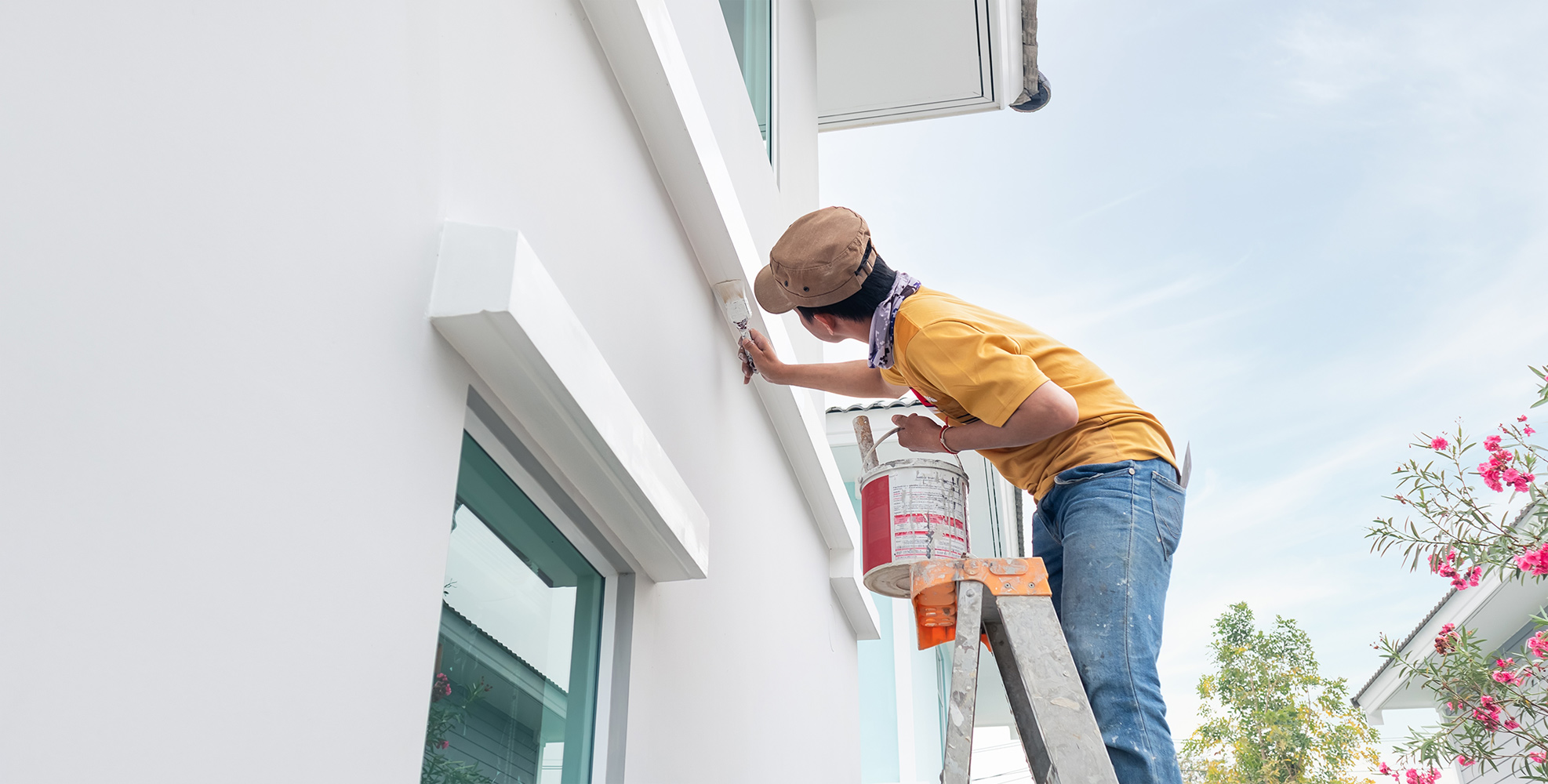
Effective budgeting for an exterior project requires understanding that labor typically accounts for 70% to 85% of the total quote. Preparation—the work done before the first gallon of paint is opened—is the most significant variable in cost.
| Category | Estimated Amount (Example) | Explanation | Optimization Tips |
| Materials (Paint) | $500 – $2,500 | High-quality resins and pigments. | Buy premium paint; the labor cost is the same regardless. |
| Surface Preparation | $1,500 – $5,000 | Scraping, sanding, and caulking labor. | Address wood rot early to avoid expensive structural repairs later. |
| Application Labor | $2,000 – $7,000 | Setting ladders, masking, and painting. | Clear the perimeter of the house of obstacles to save crew time. |
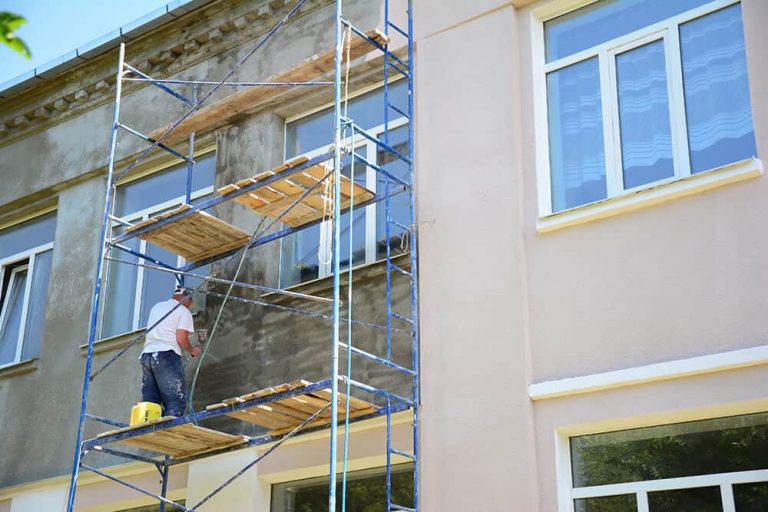
| Specialized Equipment | $300 – $1,200 | Scaffolding or boom lift rentals for high peaks. | Group small repairs while the equipment is on-site. |
Note: These figures are illustrative examples based on a standard 2,500 sq ft home and will vary by region and house height.
Strategies for Evaluating Support Options
When reviewing professional exterior house painting quotes, evaluate the contractor’s methodology using these criteria:
-
Written Scope of Work: A detailed list of every surface to be painted and the number of coats.
-
Advantage: Prevents “hidden fees” and disputes over whether trim or shutters were included.
-
Disadvantage: Requires time to read and compare against other bids.
-
-
Material Specifications: Explicitly naming the brand and line of paint to be used.
-
Advantage: Ensures you aren’t paying for premium labor while receiving low-grade “contractor-grade” paint.
-
Disadvantage: Limits the contractor’s ability to use materials they may have in stock.
-
-
Application Method (Spray vs. Brush): Clarifying if the paint will be sprayed, brushed, or a combination.
-
Advantage: Brushing/rolling provides a thicker, more durable coat on rough surfaces.
-
Disadvantage: Brushing is significantly more expensive than spraying.
-
-
Insurance and Bonding Verification: Confirming active General Liability and Workers’ Compensation policies.
-
Advantage: Protects the homeowner from liability in the event of an accident.
-
Disadvantage: Contractors with high-quality insurance usually have higher overhead and higher quotes.
-
Safety, Risks, and Common Challenges
-
Lead-Based Paint (Pre-1978): Disturbing old paint on older homes can release toxic lead dust. Mitigation: Ensure the quote includes EPA RRP (Renovation, Repair, and Painting) certified practices.
-
Moisture Trapping: Painting over damp wood or in high humidity can lead to “blistering,” where the paint peels off in large bubbles. Prevention: Professional crews use moisture meters to ensure wood is below 15% moisture content.
-
Overspray: Wind can carry paint mist onto neighboring houses or vehicles. Prevention: Detailed masking and the use of wind-shields or traditional brush-and-roller methods on windy days.
-
Inadequate Priming: Skip-priming bare wood or metal leads to rapid adhesion failure and rust bleed-through. Prevention: Verify that all bare spots are “spot-primed” before the first full coat is applied.
Maintenance and Long-Term Management
A professional paint job is an investment that requires minimal but consistent oversight to reach its 7-to-10-year lifespan.
-
Annual Cleaning: Soft-wash the exterior to remove mildew, dirt, and salt. Avoid high-pressure settings that can force water behind siding.
-
Caulking Review: Check around windows and door frames every two years. Caulk often dries and cracks before the paint fails; replacing it prevents water intrusion.
-
Touch-up Storage: Keep one gallon of every color used, labeled with the date and location. Store in a temperature-controlled environment (not a freezing garage).
-
Vegetation Management: Keep shrubs and trees at least 2 feet away from the siding to allow for airflow and prevent physical abrasion.
Documentation and Project Reporting
Organizing the records of a painting project is useful for future maintenance and home value verification.
-
Project File: Maintain the final signed quote, the color “formula” cards, and the manufacturer’s technical data sheets (TDS) for the paint used.
-
Example 1: A homeowner saves the color codes for the “Trim” and “Body,” allowing for a perfectly matched repair after a new window is installed three years later.
-
Example 2: During a home sale, the owner provides a “Paint History” document to the buyer, showing the date of the last full repaint and the quality of materials used, which justifies a higher asking price.
Closing Summary
Evaluating professional exterior house painting quotes requires a focus on surface preparation and material quality rather than the lowest price alone. By ensuring a detailed scope of work, verifying safety certifications, and following a regular maintenance schedule, property owners can protect their homes from the elements for many years.