Guide to Architectural Asphalt Shingles Lifespan & Longevity
A Comprehensive Guide to Architectural Asphalt Shingles Lifespan
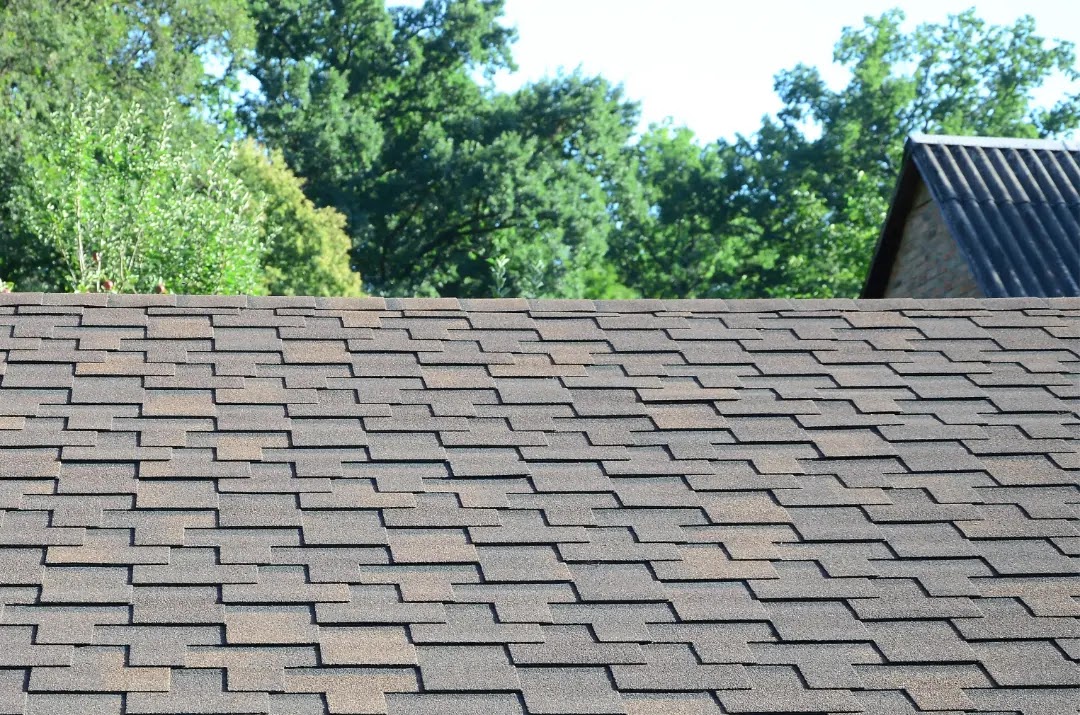
Architectural asphalt shingles, also known as dimensional or laminate shingles, represent a significant advancement in roofing technology. Unlike traditional three-tab shingles, which consist of a single flat layer, architectural shingles are constructed from multiple layers of asphalt-coated fiberglass laminated together. This design not only provides a textured, three-dimensional appearance mimicking natural slate or wood shakes but also contributes to superior structural integrity and weather resistance.
Understanding the factors that influence the architectural asphalt shingles lifespan is essential for property owners, facility managers, and builders. A roof is one of the most substantial investments in a building’s exterior, and its longevity affects everything from property value to interior climate control. This guide examines the technical specifications of these materials, environmental impacts, installation variables, and maintenance protocols that determine how long a roof remains functional.
Understanding Architectural Asphalt Shingles Lifespan
The core concept of architectural asphalt shingles lifespan revolves around the material’s ability to resist the degradation caused by ultraviolet (UV) radiation, thermal expansion, and moisture infiltration. While standard three-tab shingles are generally expected to last 15 to 20 years, architectural varieties are engineered for a service life typically ranging from 24 to 30 years, with premium versions often exceeding three decades under ideal conditions.
Property owners commonly approach roofing with the goal of achieving maximum “dry time”—the period during which the roof protects the structure without requiring major repairs. Expectations usually include resistance to high winds (often rated up to 110 or 130 mph) and the prevention of algae streaks. The outcome of a successful roofing project is a balance between the quality of the shingle’s asphalt chemistry and the environment in which it is installed. High-heat climates, poor attic ventilation, and extreme storm frequency are the primary variables that can shorten this expected timeline.
Key Categories and Performance Tiers
Not all architectural shingles are identical; they are categorized by their weight, thickness, and specialized chemical additives.
| Category / Type | Description | Common Use Case | Time / Cost / Effort Level |
| Standard Dimensional | The baseline architectural shingle with two bonded layers. | General residential housing and subdivisions. | Moderate / Mid-Range |
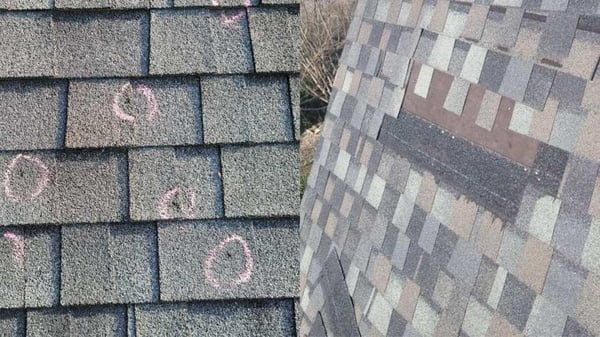
| Impact-Resistant (Class 4) | Reinforced with a polymer-modified asphalt to resist hail. | Regions prone to severe thunderstorms and hail. | High / Premium |
| Cool / Reflective | Granules designed to reflect solar energy and reduce heat. | Hot, sunny climates (e.g., Southwest US). | Moderate / Mid-Range |
| Algae-Resistant | Granules coated with copper or zinc to prevent dark streaks. | High-humidity areas or heavily shaded properties. | Low / Standard |
| Luxury / Premium | Extra-thick, multi-layer shingles weighing significantly more. | Custom luxury homes seeking a slate or shake aesthetic. | High / Very High |
Selecting the correct category involves assessing local risks. For instance, a property in a hail-prone region will find better long-term value in a Class 4 impact-resistant shingle, as it reduces the likelihood of premature replacement following a storm.
Practical Scenarios for Roofing Longevity
Scenario 1: The High-UV Desert Environment
In arid regions, the primary threat to the architectural asphalt shingles lifespan is “thermal shock” and the evaporation of volatile oils in the asphalt.
-
Components: Cool-roof granules, high-ventilation ridge caps, and synthetic underlayment.
-
Process: Installation focusing on maximum airflow in the attic to prevent the shingles from “cooking” from the underside.
-
Relevance: Without solar-reflective technology, shingles in desert climates can become brittle and lose granules significantly faster than in temperate zones.
Scenario 2: The High-Wind Coastal Region
Coastal areas require shingles that can withstand sustained wind speeds and salt-air corrosion.
-
Components: Six-nail fastening patterns, high-wind-rated starter strips, and stainless steel nails.
-
Process: Applying specialized sealant beads and ensuring the “nailing zone” is strictly followed to prevent shingle uplift.
-
Relevance: In this scenario, the lifespan is defined by the roof’s ability to stay attached during a hurricane or tropical storm.
Scenario 3: The Heavily Wooded, Humid Property
Shaded roofs in humid climates are susceptible to moisture retention and biological growth.
-
Components: Copper-infused granules, zinc strips at the ridge, and oversized gutters.
-
Process: Regular removal of organic debris (leaves/needles) and ensuring the roof pitch is steep enough for rapid shedding.
-
Relevance: Algae and moss can root into the shingles, physically lifting the layers and causing premature rot of the underlying wood deck.
Comparison: Scenario 1 prioritizes chemical stability against heat; Scenario 2 prioritizes mechanical attachment; Scenario 3 prioritizes biological and moisture management. Readers should evaluate their specific microclimate to determine which stressors will most impact their roof.
Planning, Budgeting, and Resource Considerations
Effective planning ensures that the roof system (shingles, underlayment, and ventilation) works as a cohesive unit. Budgeting for a roof should not be viewed as a one-time material purchase, but as an amortized cost over the expected lifespan.
| Category | Estimated Amount / Effort | Explanation | Optimization Tips |
| Materials (Shingles) | $100 – $250 per square | The cost of the shingles (1 square = 100 sq ft). | Purchase during winter months when demand is lower. |
| Underlayment/Accessories | $50 – $100 per square | Water-resistant barriers, flashing, and ice/water shields. | Do not reuse old flashing; it is a common leak point. |
| Labor | $200 – $400 per square | Removal of old layers and precision installation. | Verify the crew is certified by the manufacturer. |
| Ventilation Upgrades | $500 – $2,000 per project | Adding soffit vents or ridge vents. | Proper ventilation can add 5–10 years to a roof’s life. |
Note: Figures are illustrative examples based on current market trends and may vary based on roof pitch and height.
Strategies and Evaluation Methods
To maximize the architectural asphalt shingles lifespan, several strategies can be employed during the selection and installation phases:
-
Attic Ventilation Analysis: Calculating the “1/300 rule” (1 square foot of ventilation for every 300 square feet of attic floor).
-
Advantage: Lowers shingle temperature and prevents ice dams.
-
Disadvantage: May require structural modifications to the soffits or roofline.
-
-
Infrared Thermography: Using thermal cameras to detect trapped moisture or heat pockets.
-
Advantage: Identifies problems before they cause visible leaks.
-
Disadvantage: Requires specialized equipment and ideal weather conditions for accuracy.
-
-
Enhanced Fastening (6-Nail Method): Using six nails per shingle instead of the standard four.
-
Advantage: Increases wind resistance rating significantly.
-
Disadvantage: Increases labor time and material cost slightly.
-
-
Granule Loss Monitoring: Periodically checking gutters for excessive sand-like particles.
-
Advantage: Provides an early warning sign that the asphalt is becoming exposed to UV.
-
Disadvantage: Does not provide a specific date for failure, only a general trend.
-
Safety, Risks, and Common Challenges
-
Poor Ventilation: This is the most common cause of premature failure. An “overheated” attic bakes the shingles, causing them to curl and lose their adhesive seal.
-
High-Nailing: If nails are placed above the designated “nailing strip,” they do not catch the layer underneath. This leads to shingles sliding off the roof.
-
Incompatible Underlayment: Using low-quality felt paper under premium architectural shingles can cause wrinkling that telegraphs through the shingles.
-
Nail Exposure: Nails left exposed to the elements (not covered by the overlapping shingle) will eventually rust and create a direct path for water to enter the decking.
-
Layering (Roof-Overs): Installing new architectural shingles over old ones is often legal but usually voids the manufacturer’s warranty and reduces the lifespan due to heat trapping.
Maintenance and Long-Term Management
A proactive maintenance schedule can prevent minor issues from escalating into a full roof replacement.
-
Bi-Annual Gutters: Clear debris in spring and fall to prevent water from backing up under the eaves (ice damming).
-
Debris Removal: Use a leaf blower or soft brush to remove accumulated leaves or pine needles from valleys.
-
Sealant Inspection: Check the caulking around chimneys, skylights, and plumbing vents every 5 years; solar heat causes sealant to crack.
-
Tree Trimming: Ensure branches are at least 6 to 10 feet away from the roof to prevent physical abrasion and excessive shade.
Documentation and Reporting
Maintaining a “Roof History File” is vital for warranty claims and property appraisals. Professional contractors typically provide a completion report that documents the system’s components.
-
Documentation Tips: Save the “shingle wrappers” which contain the batch numbers and manufacturing dates. Keep all contracts and permit records.
-
Example 1: A homeowner provides a documented history of annual inspections to an insurance adjuster after a storm, proving the roof was in good condition prior to the event.
-
Example 2: During a home sale, the seller presents a 50-year non-prorated warranty certificate, which is transferable to the new owner, significantly increasing the home’s value.
Closing Summary
The architectural asphalt shingles lifespan is a product of high-quality material engineering combined with precise installation and environmental management. By prioritizing proper attic ventilation and selecting shingles suited for local climate stressors—such as UV or high winds—property owners can ensure their roof reaches its full 25-to-30-year potential.