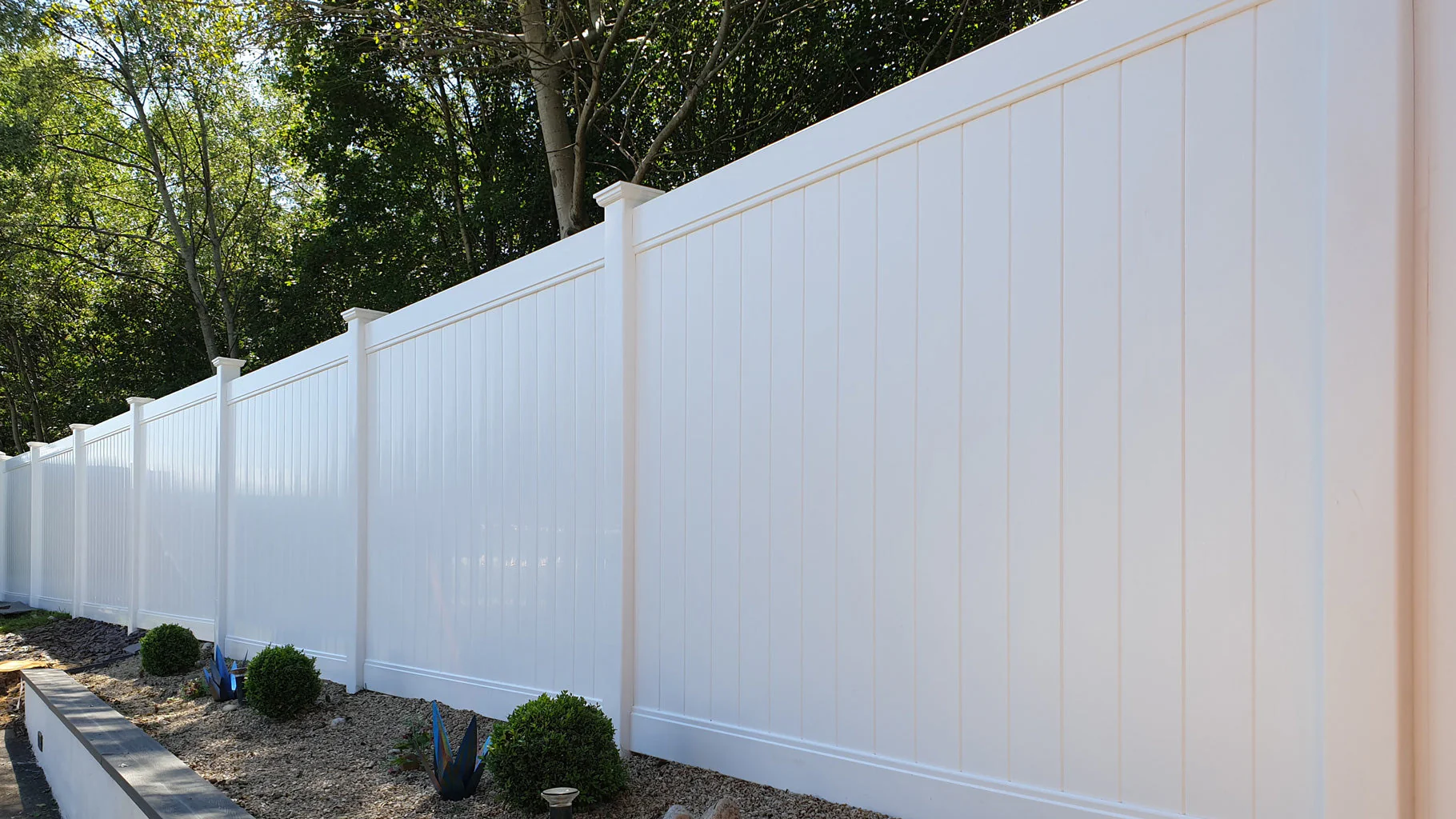
Best Low Maintenance Privacy Fence Panels: A Technical Guide
A Comprehensive Guide to Low-Maintenance Privacy Fencing
Privacy fencing serves as a critical boundary for residential properties, providing security, noise reduction, and a secluded outdoor environment. Historically, wood was the primary material for such barriers; however, the requirement for frequent staining, sealing, and repair has led many property owners toward modern synthetic and composite alternatives. These newer materials are engineered to withstand environmental stressors such as UV radiation, high humidity, and insect activity without the structural degradation common to organic materials.
This guide provides an objective, educational analysis of the best low maintenance privacy fence panels available in the current market. Readers will learn about the material science behind vinyl, composite, and metal fencing, the logistical requirements of a durable installation, and the long-term management practices that preserve the barrier’s integrity. By understanding the technical specifications and environmental resilience of these systems, property owners can make informed decisions that balance initial capital expenditure with decades of functional performance.
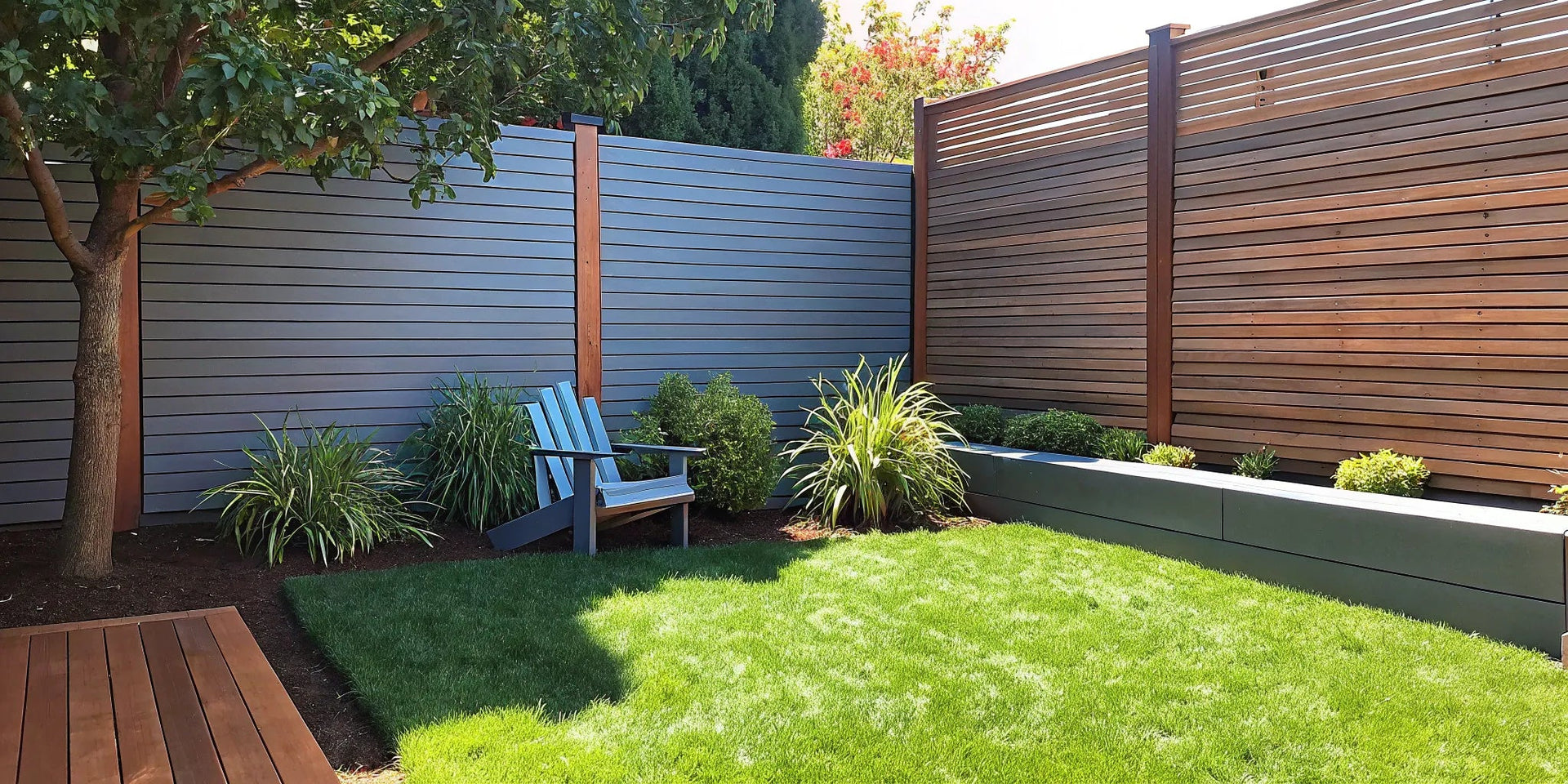
Overview of Best Low Maintenance Privacy Fence Panels
The core concept of low-maintenance fencing is the use of non-porous or treated materials that do not require chemical “refreshing” (such as paint or stain) to maintain their structural or aesthetic properties. When people evaluate the best low maintenance privacy fence panels, they are typically looking for a “life-of-the-home” solution. The goal is to install a barrier that maintains its color and shape despite constant exposure to the elements.
Property owners approach these projects with expectations of reduced manual labor and long-term cost savings. While the initial investment for synthetic panels is generally higher than for pressure-treated wood, the outcome is a significant reduction in “lifecycle costs.” A successful low-maintenance fence is characterized by its “colorfastness” (resistance to fading), its ability to resist moisture-induced rot, and its structural stability during high-wind events. These panels are typically designed as interlocking systems, creating a solid wall that blocks both sightlines and a portion of ambient sound.
Key Categories of Low-Maintenance Fencing Materials
The classification of low-maintenance fencing depends primarily on the base material and the manufacturing process used to create the privacy slats or panels.
| Category / Type | Description | Common Use Case | Time / Cost / Effort Level |
| Vinyl (PVC) | Polyvinyl chloride panels; hollow or ribbed for strength. | Residential neighborhoods and coastal areas. | Low / Mid-Range |
| Composite | A blend of wood fibers and recycled plastic (WPC). | Modern landscapes seeking a “wood-look” aesthetic. | Moderate / Premium |
| Aluminum | Powder-coated metal panels with solid privacy slats. | High-security or high-wind environments. | Moderate / Premium |
| Simulated Stone | Molded polyethylene that mimics masonry or granite. | Luxury estates or areas requiring high sound barriers. | High / High Cost |
| Metal (Steel) | Galvanized and coated steel panels with vertical ribs. | Industrial-chic designs or high-impact zones. | Moderate / Mid-Range |
Choosing between these categories involves weighing the architectural style of the home against local environmental factors. For example, vinyl is exceptionally resistant to salt air, making it ideal for coastal regions. Composite fencing is preferred by those who desire the texture of wood but want to avoid the splintering and rot associated with natural timber. Aluminum provides the highest strength-to-weight ratio, making it suitable for properties that face significant physical or wind-related stress.
Practical Scenarios for Privacy Fence Application
Scenario 1: The High-Wind Open Corridor
Properties located in open prairies or near the ocean face “wind-tunnel” effects that can topple standard fences.
-
Components: Reinforced aluminum posts, “tongue-and-groove” vinyl slats, and deep concrete footers.
-
Process: Installing posts at a closer interval (e.g., 6 feet instead of 8 feet) and using internal steel stiffeners inside the vinyl rails.
-
Relevance: This scenario highlights the need for structural reinforcement in the best low maintenance privacy fence panels to prevent the panels from acting like sails and snapping the posts.
Scenario 2: The High-Moisture Shaded Zone
A backyard with dense tree cover and high humidity where wood would quickly develop mold and rot.
-
Components: Capped composite panels or solid PVC fencing.
-
Process: Ensuring the bottom rail has adequate ground clearance for water runoff and using mold-resistant synthetic materials.
-
Relevance: In this use-case, the “low maintenance” aspect refers to the material’s inability to absorb water, which prevents the biological growth that destroys organic fences.
Scenario 3: The Urban Noise-Reduction Barrier
Homeowners living near busy streets or commercial zones requiring a visual and acoustic barrier.
-
Components: Simulated stone panels (polyethylene) or thick-walled composite boards.
-
Process: Installing a “solid-fill” system with no gaps between boards and ensuring the fence is at least 6 to 8 feet high.
-
Relevance: Dense, heavy synthetic materials provide better sound dampening than thin wood pickets, significantly improving the quality of the outdoor living space.
Comparison: Scenario 1 focuses on mechanical strength; Scenario 2 prioritizes chemical and biological resistance; Scenario 3 focuses on mass and density for acoustics. Readers should identify their primary environmental challenge—wind, water, or noise—before selecting a panel type.
Planning, Budgeting, and Site Considerations
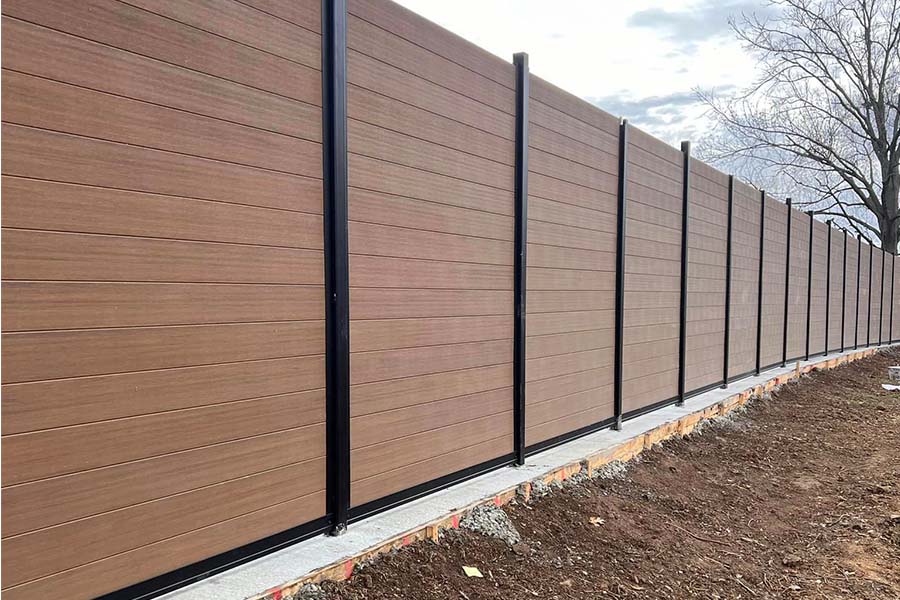
Planning for a low-maintenance fence requires precise measurements, as synthetic panels cannot be “trimmed” or “ripped” as easily as wood to fit irregular gaps.
| Category | Estimated Amount (Example) | Explanation | Optimization Tips |
| Materials | $25 – $65 per linear foot | The cost of panels, posts, and caps. | Buy in full “kits” to ensure hardware compatibility. |
| Labor (Pro) | $15 – $35 per linear foot | Professional post-setting and assembly. | Clear the fence line of brush/debris before the crew arrives. |
| Permits/Survey | $300 – $800 | Legal boundary verification and city fees. | Always get a professional survey to avoid boundary disputes. |
| Post Footers | $20 – $50 per post | Concrete and gravel for structural stability. | Use “dry-pour” concrete only if the manufacturer approves. |
Note: These figures are illustrative examples based on 2026 market data. Actual costs fluctuate based on the specific “grade” of the material (e.g., residential vs. commercial grade).
Strategies, Tools, and Support Options
Successful installation and evaluation of the best low maintenance privacy fence panels rely on several specialized strategies:
-
Post-Sleeve Systems: A method where a vinyl or composite sleeve is placed over a structural wood or steel post.
-
Pros: Provides the strength of metal with the low-maintenance exterior of plastic.
-
Cons: Increases material costs and requires precise alignment of the internal post.
-
-
U-Channel Mounting: Using vertical channels attached to posts to hold the privacy slats.
-
Pros: Allows for thermal expansion and contraction without buckling.
-
Cons: Can create a “rattling” sound in high winds if not fitted with gaskets.
-
-
Hidden Fasteners: Clips or brackets that are not visible on the face of the fence.
-
Pros: Creates a seamless, high-end look; prevents rust streaks.
-
Cons: More difficult to repair if a single board needs replacement.
-
-
Trench-Leveling: Digging a shallow trench for the bottom rail to sit in.
-
Pros: Eliminates gaps at the bottom for pets or pests.
-
Cons: Can trap debris and moisture; must be done with specific non-rot materials.
-
Safety, Risks, and Common Challenges
-
Thermal Expansion: PVC and composite panels can expand by as much as 1/4 inch over an 8-foot span in high heat. If installed too tightly, the panels will “bow” or pop out of the rails. Prevention: Leave 1/8-inch gaps in the channels as specified by the manufacturer.
-
Post Heaving: In cold climates, frost can push posts out of the ground. Mitigation: Ensure concrete footers extend below the local “frost line” and are “bell-shaped” at the bottom to lock into the soil.
-
Underground Utilities: Striking a gas or electrical line during post-hole digging. Prevention: Call the local “utility locate” service (e.g., 811) at least 72 hours before excavation.
-
Gate Sag: Low-maintenance materials are often heavier than wood. Over time, gravity can pull the gate out of alignment. Prevention: Use internal steel frames for all gates and heavy-duty adjustable hinges.
Maintenance and Long-Term Management
The term “low maintenance” does not mean “zero maintenance.” Regular review ensures the fence remains attractive and functional.
-
Annual Cleaning: Use a mild detergent and a soft-bristle brush (or a low-pressure garden hose) to remove dirt, pollen, and spider webs.
-
Hardware Inspection: Check hinges and latches twice a year. Apply a dry silicone lubricant to moving parts to prevent squeaks and wear.
-
Post-Alignment Check: After a heavy storm or a hard winter freeze, verify that the posts remain vertical (plumb).
-
Vegetation Control: Ensure heavy vines or shrubs are not leaning directly against the panels, as the weight can cause warping over several years.
Documentation and Compliance Reporting
Organizing the project’s documentation is vital for warranty claims and property resale.
-
Product Specifications: Keep the manufacturer’s technical data sheet, which lists the wind-load rating and UV inhibitors used.
-
Warranty Certificate: Many low-maintenance fences carry a 20-year to “lifetime” limited warranty. This is often transferable to the next homeowner.
-
Example 1: A homeowner saves the specific “color code” and batch number of their composite fence to ensure that if a panel is damaged by a vehicle, the replacement will match the original color exactly.
-
Example 2: An owner provides the “Wind Mitigation Certificate” to their insurance company, potentially lowering their property insurance premiums due to the fence’s high wind-load rating.
Closing Summary
The best low maintenance privacy fence panels represent a long-term investment in a property’s building envelope. By selecting materials like PVC, capped composite, or powder-coated aluminum, property owners can eliminate the recurring labor of wood maintenance while gaining superior resistance to wind, moisture, and UV damage. Success in these projects is determined by precise site planning, professional post-setting, and an understanding of the thermal properties of synthetic materials.