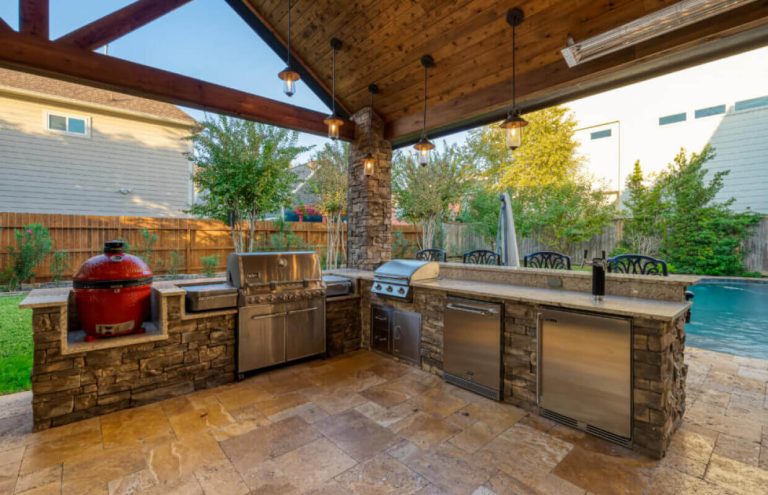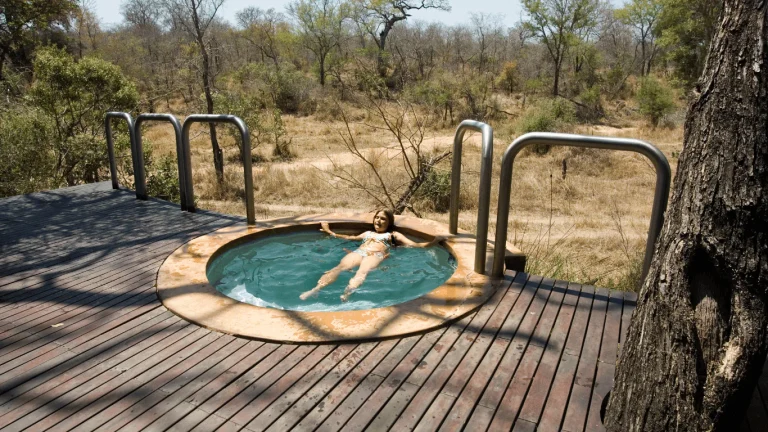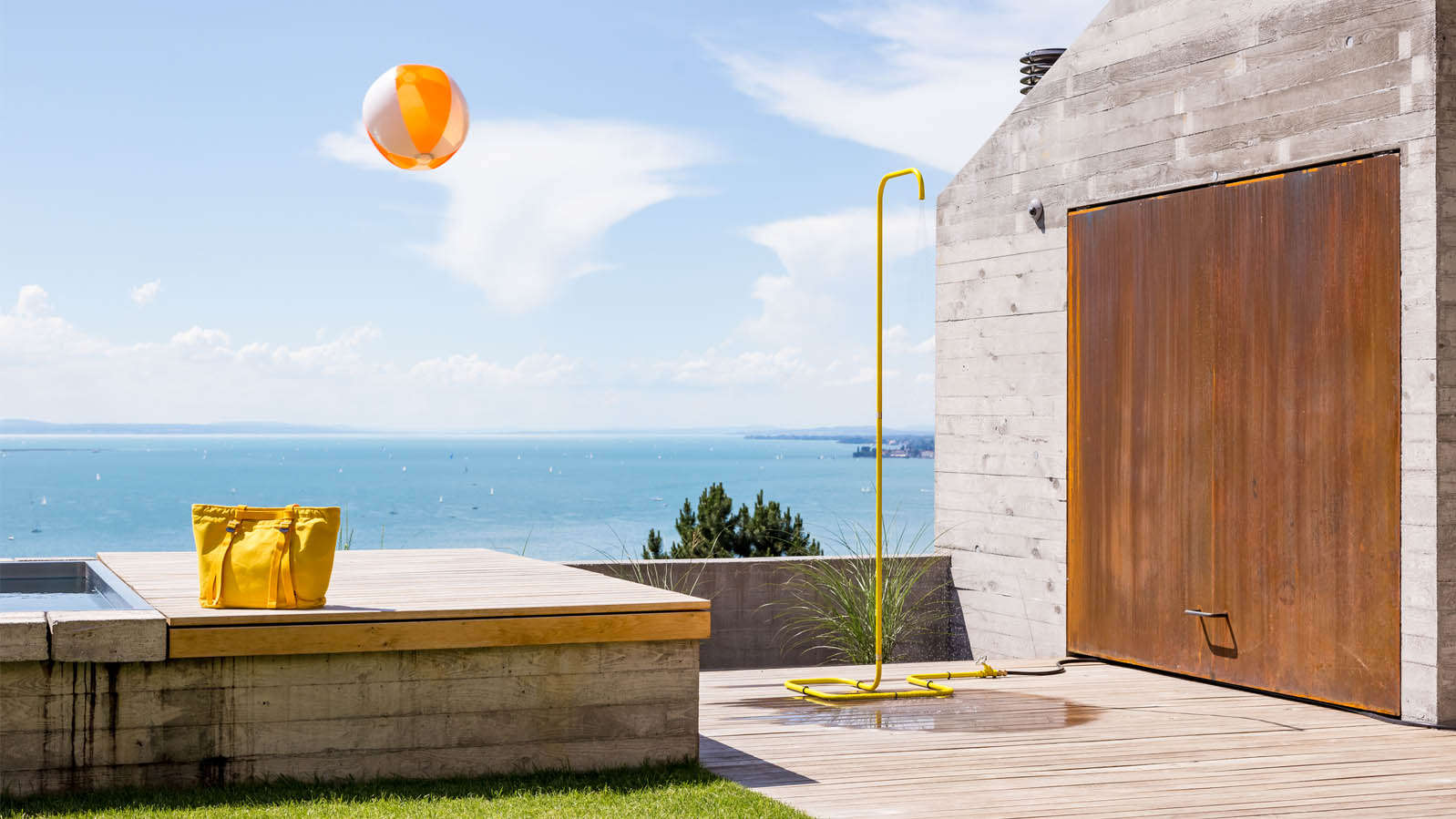
Pool House with Outdoor Shower Plans: A Technical Design Guide
A Comprehensive Guide to Pool House Construction with Outdoor Shower Integration
A pool house serves as a multifunctional auxiliary structure designed to enhance the utility and comfort of an aquatic recreation area. By providing dedicated space for changing, storage, and sanitation, these buildings prevent the tracking of moisture and pool chemicals into the primary residence. The integration of an outdoor shower further optimizes this setup, allowing users to rinse chlorine or saltwater from their skin immediately upon exiting the pool, thereby maintaining both personal hygiene and the cleanliness of the pool house interior.
This guide provides a neutral, educational analysis of the architectural and logistical requirements for developing pool house with outdoor shower plans. Readers will learn about the various structural categories, utility requirements, and material considerations necessary for a successful build. By understanding the intersection of local building codes, plumbing engineering, and site-specific environmental factors, property owners can effectively plan a structure that provides long-term value and structural integrity.
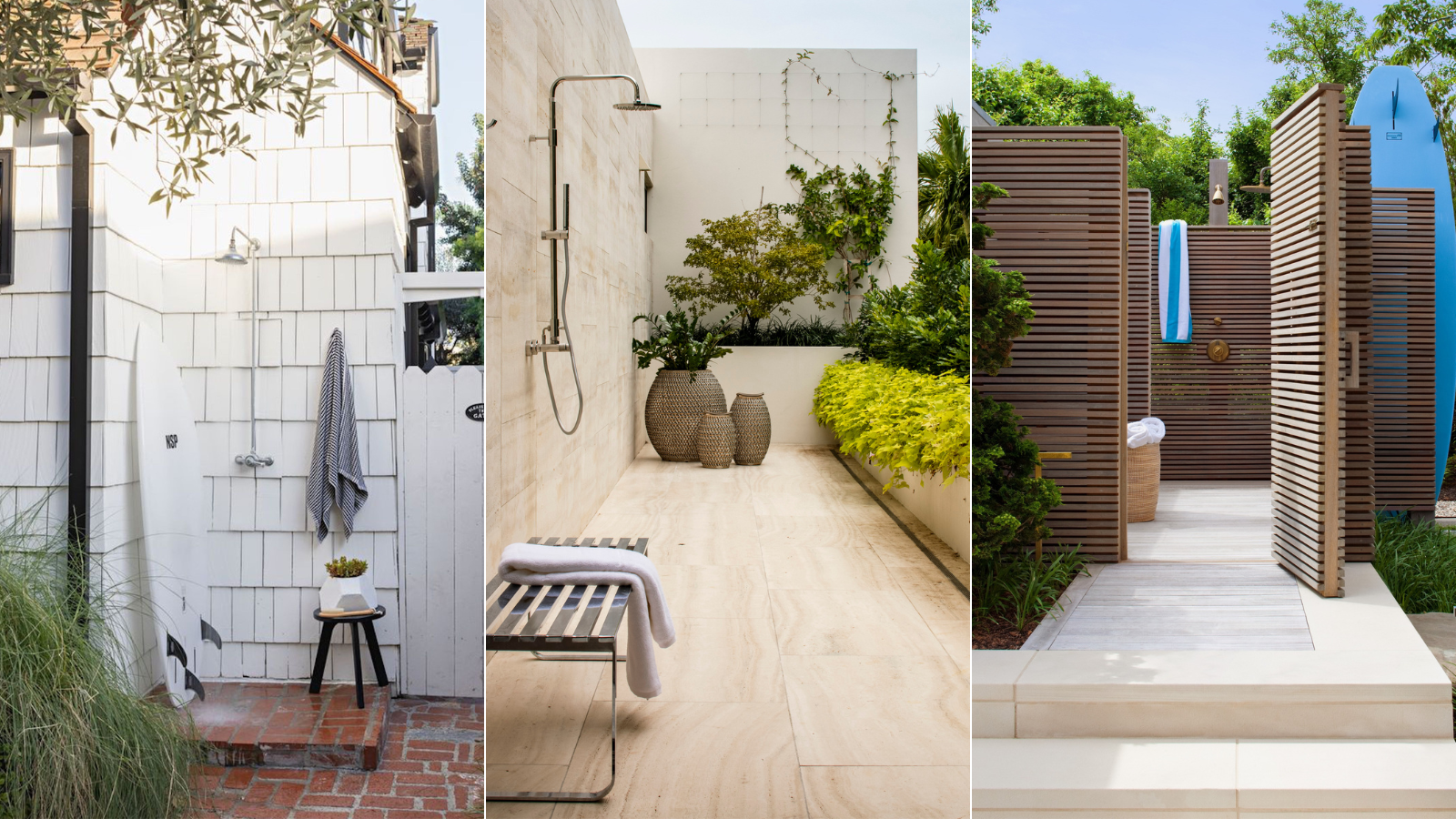
Overview of Pool House with Outdoor Shower Plans
The core concept of pool house with outdoor shower plans is the creation of a “wet-safe” transition zone between the outdoor pool and the indoor living environment. These plans must account for high-humidity conditions, requiring materials that are resistant to rot, mold, and corrosion. Unlike standard shed construction, a pool house with an integrated shower necessitates specialized plumbing for supply lines and drainage, as well as electrical systems that meet strict safety standards for proximity to water.
Typically, property owners approach these projects with the goal of creating a centralized hub for pool equipment, towels, and guest amenities. Expectations often include a seamless aesthetic match with the main house and a functional layout that allows for privacy during changing. A successful outcome is a structure that adheres to zoning “setback” requirements and utilizes a drainage system that prevents soapy runoff from entering the pool or damaging surrounding landscape.
Key Categories of Pool House Structures
Pool houses vary significantly based on their intended use, ranging from simple changing rooms to fully equipped guest suites.
| Category / Type | Description | Common Use Case | Effort / Cost Level |
| Open Pavilion | A roofed structure with one or more open sides. | Shaded lounging and basic outdoor rinsing. | Moderate / Mid-Range |
| Cabana (Enclosed) | A fully walled structure with a locking door. | Changing privacy and secure equipment storage. | Moderate / High |
| Utility Hub | Small footprint focused on housing filters and pumps. | Mechanical protection with a side-mounted shower. | Low / Economical |
| Guest Suite | Includes a kitchenette and climate-controlled sleeping area. | Overnight visitors or multi-day poolside hosting. | High / Premium |
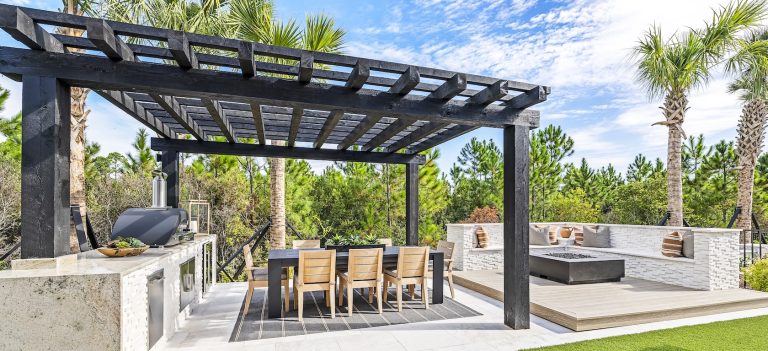
| Hybrid Pergola | Slotted roof design with a privacy screen for the shower. | Minimalist aesthetic in warm, dry climates. | Low / Mid-Range |
Choosing between these categories depends primarily on the available space and the desired level of privacy. For instance, an open pavilion is suitable for families seeking shade, while an enclosed cabana is essential if the building will house electronic equipment or serve as a guest changing room.
Practical Scenarios for Facility Application
Scenario 1: The Suburban Family Hub
Designed for a high-traffic backyard with children, where the primary goal is keeping the main house dry.
-
Components: Slip-resistant flooring, integrated bench seating, and a high-volume drainage system for the shower.
-
Process: Installing “wet-rated” interior walls and an exterior shower head mounted on a cedar privacy wall.
-
Relevance: This scenario prioritizes durability and ease of cleaning, utilizing materials like fiber-cement siding and composite decking.
Scenario 2: The Coastal Salt-Water Retreat
In coastal environments, the outdoor shower is critical for removing corrosive salt and sand before entering the pool house or home.
-
Components: Stainless steel 316-grade fixtures, marine-grade cabinetry, and salt-tolerant stone flooring.
-
Process: Implementing a dedicated “foot wash” station at the base of the shower and using non-corrosive fasteners throughout.
-
Relevance: This use-case focuses on chemical resistance to ensure the pool house with outdoor shower plans survive the saline air.
Scenario 3: The Urban “Boutique” Cabana
A small-footprint design for tight city lots where every square foot must be maximized.
-
Components: Sliding barn doors to save space, wall-mounted storage racks, and a “pocket” shower tucked into a corner.
-
Process: Utilizing vertical space for storage and installing a tankless water heater to provide on-demand hot water without a large tank.
-
Relevance: This scenario highlights the engineering required to fit full functionality into a restricted urban building envelope.
Comparison: Scenario 1 focuses on volume and safety; Scenario 2 prioritizes material longevity in harsh climates; Scenario 3 emphasizes spatial efficiency. Readers should select the scenario that matches their geographic stressors and lot size.
Planning, Budgeting, and Utility Logistics
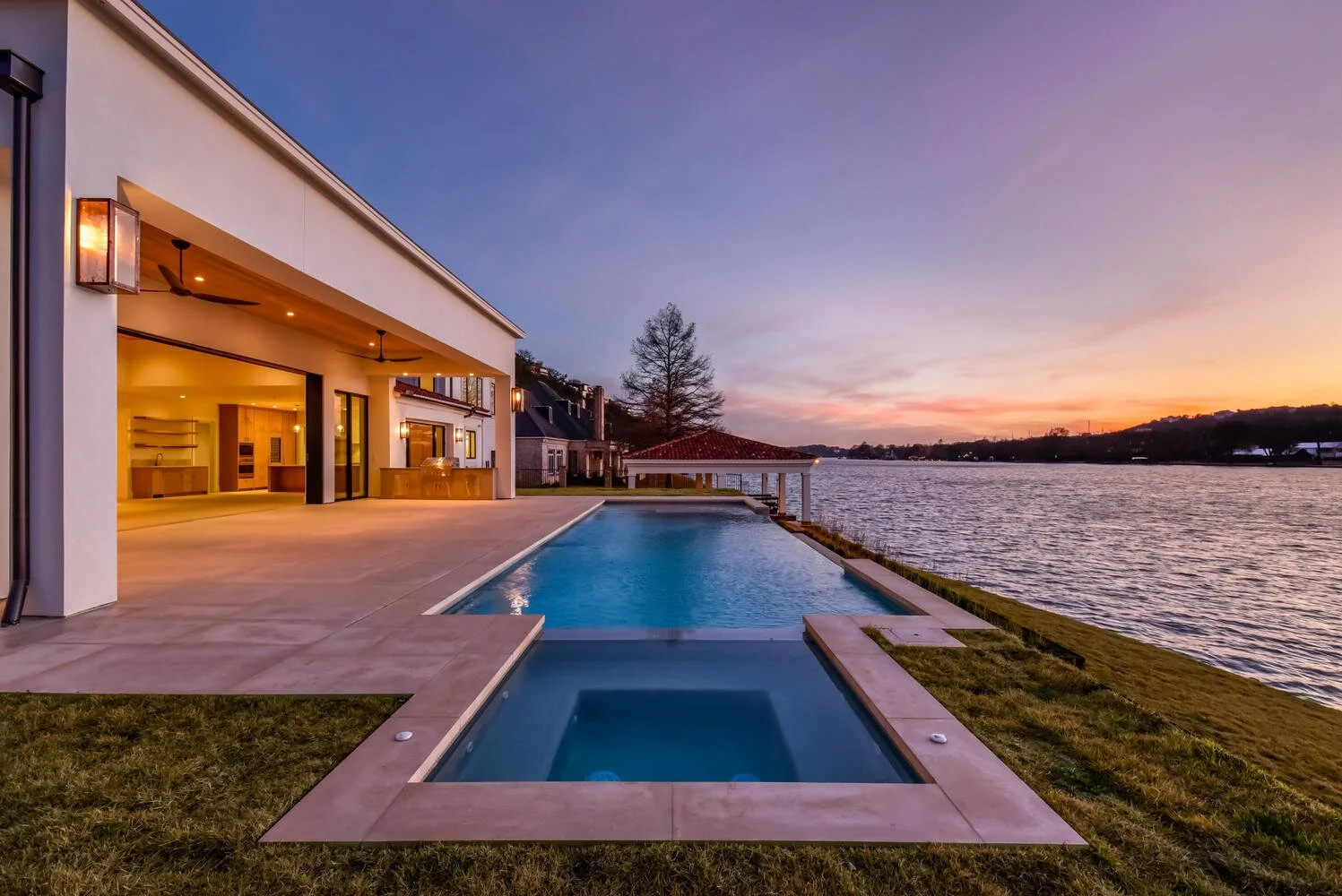
Budgeting for pool house with outdoor shower plans requires a distinction between structural costs and utility “run” costs. Bringing water, electricity, and sewer lines from the main house to a remote location in the yard can often be the most expensive phase of the project.
| Category | Estimated Amount / Effort | Explanation | Optimization Tips |
| Structural Shell | $10,000 – $40,000 | Framing, roofing, siding, and windows. | Use standard dimensions to reduce material waste. |
| Plumbing Lines | $3,000 – $8,000 | Trenching for water and drain lines. | Group the shower and any sinks on the same wall. |
| Electrical / Lighting | $2,000 – $5,000 | GFCI outlets and wet-rated fixtures. | Use solar-powered path lighting for the approach. |
| Permits / Engineering | $500 – $2,500 | Zoning approvals and structural stamps. | Check for “Accessory Dwelling Unit” (ADU) rules. |
Note: Figures are illustrative examples based on 2026 market averages and will vary by region and material luxury.
Strategies for Material and Support Evaluation
Successful execution of a pool house project relies on several technical strategies:
-
Greywater Diversion: Systems that route shower water into the landscape rather than the sewer (where local codes allow).
-
Pros: Reduces strain on septic systems; waters the garden.
-
Cons: Requires biodegradable soaps; may be prohibited in some municipalities.
-
-
Pressure-Treated Framing: Using treated lumber for the “sole plates” and any area in contact with concrete.
-
Pros: Prevents structural rot in high-moisture environments.
-
Cons: Chemicals in the wood can be corrosive to standard fasteners; requires galvanized steel.
-
-
Slip-Resistant Surfaces: Choosing flooring with a high Dynamic Coefficient of Friction (DCOF).
-
Pros: Significantly reduces the risk of falls on wet surfaces.
-
Cons: Rougher surfaces can be more difficult to clean.
-
-
Winterization Valves: Specialized plumbing designed to drain the shower lines before a freeze.
-
Pros: Prevents burst pipes in cold climates.
-
Cons: Requires manual intervention every autumn.
-
Safety, Risks, and Technical Challenges
-
Legionella and Standing Water: Outdoor showers with long, exposed pipes can heat up, creating a breeding ground for bacteria. Prevention: Use insulated pipes and run the water for a few minutes if the shower has been idle.
-
Improper Grading: If the shower area is not sloped away from the pool house foundation, water will seep under the structure. Mitigation: Ensure a minimum 2% grade slope toward a dedicated drain or dry well.
-
Electrical Hazard: Standard interior outlets can be fatal near an outdoor shower. Rule: All outlets within 20 feet of the water source must be GFCI-protected and housed in “in-use” weather-resistant covers.
-
Permit Non-Compliance: Building a structure too close to a property line or over a septic drain field. Action: Perform a professional land survey before finalizing the location of the pool house.
Maintenance and Long-Term Management
The longevity of a pool house depends on its ability to shed water and resist UV damage.
-
Semi-Annual Fixture Polish: Apply a protective coating to the outdoor shower head to prevent mineral buildup and pitting.
-
Gutter and Drain Clearing: Ensure the shower drain and the pool house gutters are free of leaves to prevent localized flooding.
-
Ventilation Check: Verify that the “weep holes” and vents in the pool house are clear to prevent moisture from being trapped in the walls.
-
Wood Sealing: If using cedar or teak for the shower platform, re-apply a water-repellent sealer every 12–24 months.
Documentation and Compliance
Maintaining an organized project file is essential for insurance purposes and future property sales.
-
As-Built Diagrams: A map showing the exact location and depth of buried water and electrical lines.
-
Fixture Specifications: A list of the specific models for the shower valves and electrical breakers for future repairs.
-
Example 1: A homeowner saves their plumbing permit to prove to a future buyer that the outdoor shower drains into a code-compliant dry well.
-
Example 2: An owner keeps the “Winterization Checklist” in a central location to ensure all valves are closed before the first frost.
Closing Summary
A well-planned pool house with outdoor shower plans integrates architectural aesthetics with rigorous plumbing and safety standards. By prioritizing moisture-resistant materials, ensuring proper drainage, and adhering to local zoning and electrical codes, property owners can create a functional, durable asset that enhances the utility of their outdoor space.