Tesla Solar Roof vs Traditional Panels: 2026 Comparison Guide
A Comparative Guide to Tesla Solar Roof and Traditional Solar Panels
The transition to renewable energy for residential properties has evolved significantly over the last decade, offering homeowners two primary architectural paths: building-integrated photovoltaics (BIPV) or rack-mounted modules. Both systems function on the same fundamental principle of converting photons from sunlight into direct current (DC) electricity, but they differ fundamentally in their physical integration with the building’s envelope.
This guide provides a neutral, technical analysis of Tesla solar roof vs traditional panels. Readers will explore the mechanical differences between these systems, the logistical requirements for installation, and the long-term performance expectations for each. By understanding the structural, aesthetic, and financial variables involved, property owners can determine which solar technology aligns with their building’s current condition and energy requirements.
Overview of Tesla Solar Roof vs Traditional Panels
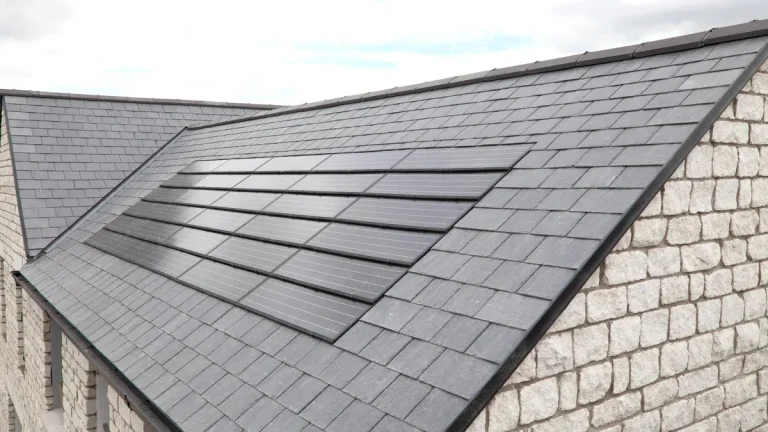
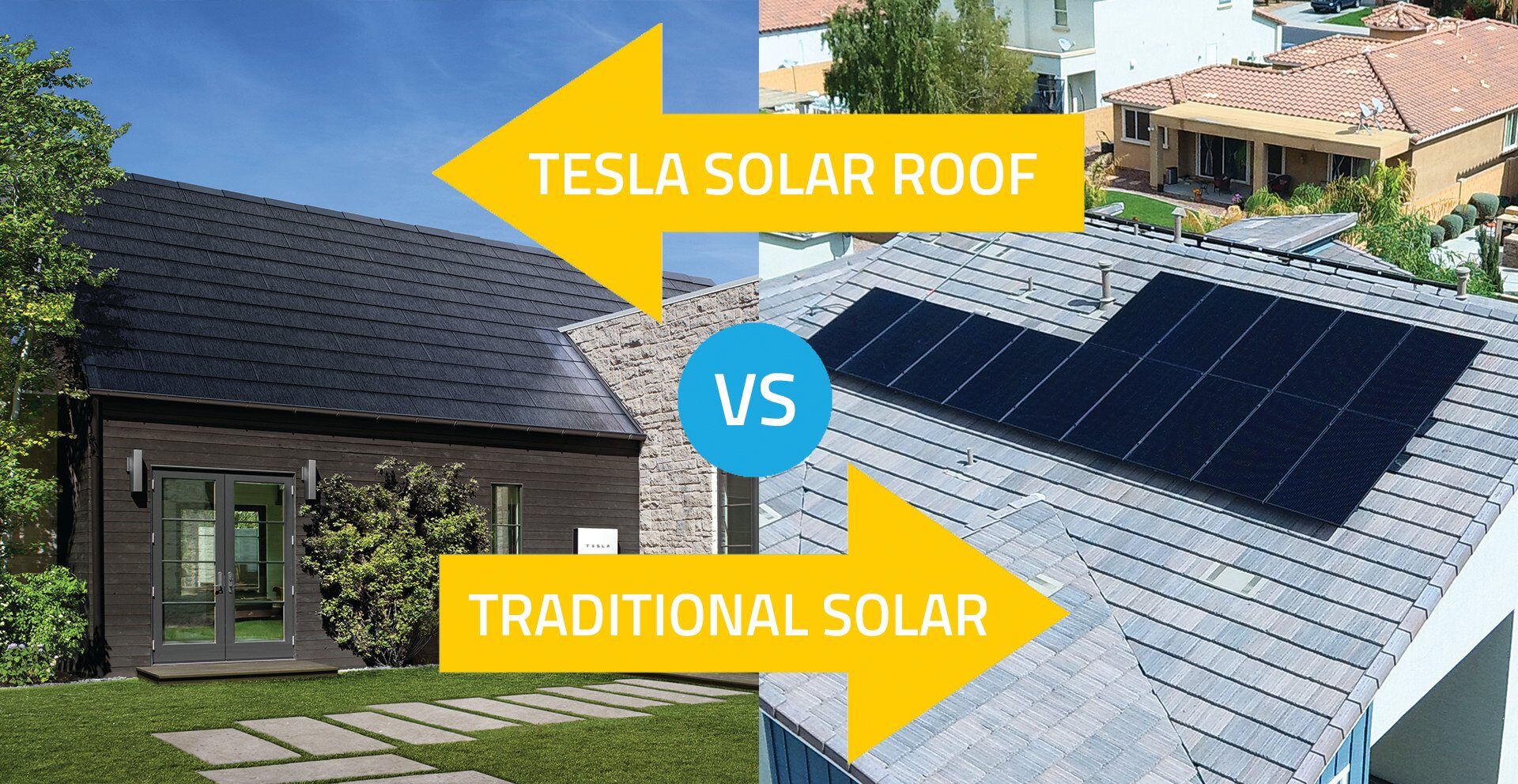
The core distinction in the debate of Tesla solar roof vs traditional panels lies in whether the solar technology replaces the roofing material or is added on top of it. Traditional solar panels consist of large silicon cells encased in glass and metal frames, mounted to a racking system that is bolted through the existing roof. In contrast, a Tesla Solar Roof is composed of individual glass shingles that contain solar cells. These shingles serve as the actual waterproof barrier of the home, eliminating the need for standard asphalt or tile underneath.
Property owners typically approach this decision based on the current age of their roof. If a roof has more than 15 years of functional life remaining, traditional panels are often viewed as a “bolt-on” energy upgrade. If a roof requires an immediate, total replacement, the solar roof becomes a dual-purpose construction project. The primary goal for both is to offset utility costs and reduce the carbon footprint, but the solar roof prioritizes a seamless architectural aesthetic, whereas traditional panels prioritize maximum energy output per square foot of surface area.
Key Categories of Solar Integration
When evaluating solar options, systems are generally categorized by their mounting method and the type of photovoltaic cell technology used.
| Category / Type | Description | Common Use Case | Effort / Cost Level |
| Monocrystalline Panels | High-efficiency standard panels mounted on racks. | Existing roofs with 10+ years of life. | Moderate / Mid-Range |
| Tesla Solar Roof | Glass shingles that replace the entire roof. | New builds or total roof replacements. | Very High / Premium |
| Polycrystalline Panels | Older cell technology; lower efficiency but cheaper. | Large-scale ground mounts or flat roofs. | Moderate / Economical |
| Thin-Film / Flexible | Lightweight, bendable solar sheets. | RVs, curved roofs, or weight-sensitive structures. | Low / Mid-Range |
| Ground-Mount | Panels installed on a yard-based steel frame. | Properties with excessive roof shade. | High / Mid-Range |
Choosing between these categories requires a structural assessment. Standard panels are highly efficient and can be angled toward the sun for optimal production, but they are visually prominent. Integrated shingles like the Tesla Solar Roof offer a uniform look but are fixed to the existing pitch of the roof, which may not always be the ideal angle for solar harvest.
Practical Scenarios for System Selection
Scenario 1: The Modern New Construction
An architect is designing a high-end contemporary home and wishes to maintain clean rooflines without visible equipment.
-
Components: Active solar shingles, non-active aesthetic glass tiles, and integrated power electronics.
-
Process: The structural load is calculated for glass tiles, and the roof is installed as a single system during the dry-in phase of construction.
-
Relevance: This scenario maximizes the value of a solar roof because there is no “waste” from removing a perfectly good existing roof.
Scenario 2: The Energy-Focused Retrofit
A homeowner with a five-year-old asphalt shingle roof wants to eliminate a $300 monthly electric bill.
-
Components: 12–15 high-efficiency monocrystalline panels, aluminum racking, and micro-inverters.
-
Process: Installers identify the rafters, bolt the racking through the shingles, and seal the penetrations with flashing.
-
Relevance: In this case, Tesla solar roof vs traditional panels is resolved by the roof’s age; replacing a nearly new roof would be fiscally inefficient.
Scenario 3: The Shaded Historic Property
A historic home has significant tree cover on the south-facing roof but has an open, sunny meadow 50 feet away.
-
Components: Ground-mounted array with a trench-fed electrical line to the house.
-
Process: Clearing a small area of the meadow, pouring concrete footers for the frame, and running conduit underground.
-
Relevance: Neither roof-based option works here; a ground-mounted traditional array is the only way to capture sufficient light.
Comparison: Scenario 1 favors aesthetics and integration; Scenario 2 favors speed and ROI; Scenario 3 favors geographic flexibility. Readers should assess their roof’s age and shade profile before committing to a specific hardware type.
Planning, Budgeting, and Resource Considerations
Meticulous planning is required for solar roof installations because they involve both the roofing trade and the electrical trade simultaneously. Traditional panels can often be installed in a single day, whereas a solar roof may take one to two weeks.
| Category | Estimated Amount (2026) | Explanation | Optimization Tips |
| Traditional Panels | $15,000 – $25,000 | Standard 6kW to 10kW system with racking. | Shop for local installers to reduce mobilization fees. |
| Tesla Solar Roof | $40,000 – $80,000+ | Includes full roof tear-off and glass shingles. | Ideal only if you already need a $20k+ roof replacement. |
| Battery Storage | $10,000 – $15,000 | Energy storage (e.g., Tesla Powerwall). | Check for local utility rebates for “Grid Support.” |
| Permits / Interconnect | $500 – $2,500 | Utility fees and municipal inspections. | Use a contractor who handles “turnkey” permitting. |
Note: Figures are illustrative examples; actual costs fluctuate based on roof complexity, square footage, and local labor rates.
Strategies, Tools, and Support Options
The mechanical and electrical success of a solar installation relies on several diagnostic and support tools.
-
Lidar / Satellite Shading Reports: Tools used to calculate exactly how many hours of sun a roof receives.
-
Advantage: Provides a highly accurate estimate of annual energy production.
-
Disadvantage: May not account for fast-growing trees or future neighboring structures.
-
-
Micro-Inverters vs. String Inverters: Methods for converting DC to AC power.
-
Advantage: Micro-inverters (one per panel) prevent one shaded panel from slowing the whole system.
-
Disadvantage: Higher upfront cost and more electronics on the roof.
-
-
Flashings and Sealants: Critical for traditional panels to prevent roof leaks.
-
Advantage: Modern “flashing-free” mounts use high-grade butyl tape to create a watertight seal.
-
Disadvantage: Still requires drilling holes into the building’s protective envelope.
-
-
Integrated Rapid Shutdown: A safety feature that kills power at the panel level for firefighters.
-
Advantage: Standard on modern systems; ensures compliance with NEC 2023/2026 codes.
-
Disadvantage: Adds slight complexity to the wiring harness.
-
Safety, Risks, and Technical Challenges
-
Thermal Management: Traditional panels have a 3–4 inch air gap that allows for cooling. Integrated shingles sit flush with the roof. Risk: Solar cells lose efficiency as they get hotter; a solar roof may run hotter than panels.
-
Roof Penetrations: Every bolt for a traditional panel rack is a potential leak point. Mitigation: Ensure the contractor uses a “double-flash” method or high-quality chemical sealants.
-
Structural Load: Glass shingles and large solar panels add “dead weight” to a structure. Prevention: A structural engineer must verify that the rafters can handle the added 3–5 lbs per square foot.
-
Electrical Fire Risk: Poorly crimped connectors or pinched wires can cause DC arcing. Prevention: Only use factory-certified installers who use torque-rated tools for all connections.
Maintenance and Long-Term Management
While solar systems are largely “passive,” regular management ensures the system reaches its 25-to-30-year potential.
-
Cleaning: Dust, pollen, and bird droppings can reduce output by 5–10%. Use a garden hose from the ground level to rinse the surface. Note: Never use abrasive brushes or high-pressure washers on solar glass.
-
Inverter Monitoring: Use the system’s smartphone app to check daily production. A sudden 50% drop usually indicates a blown fuse or a failed string.
-
Vegetation Management: Trim overhanging branches. Even a small amount of shade on one corner of a panel can significantly disrupt the electrical “flow.”
-
Hardware Inspection: For traditional panels, check the racking bolts every 5 years to ensure they haven’t loosened due to thermal expansion/contraction.
Documentation and Compliance Reporting
Documentation is essential for verifying the 25-year performance warranty and for claiming federal or local tax credits.
-
The Solar Portfolio: Maintain a file containing the electrical permit, the “Permission to Operate” (PTO) letter from the utility, and the serial numbers for all inverters.
-
Example 1: A homeowner saves the “STC” (Standard Test Condition) flash-test reports for their panels to prove to a future buyer that the system is performing as rated.
-
Example 2: An owner documents the “Net Metering” agreement, which proves the utility must pay them for excess energy sent back to the grid.
Closing Summary
The choice of Tesla solar roof vs traditional panels is a decision between architectural integration and modular efficiency. Traditional panels offer a faster return on investment and can be installed on most existing roofs, while the Tesla Solar Roof provides a durable, aesthetically superior solution for those undergoing new construction or total roof replacement.