Guide to Rainwater Harvesting Systems for Home Exteriors
A Comprehensive Guide to Residential Rainwater Harvesting Systems
Rainwater harvesting is the deliberate collection and storage of rainwater from a surface—most commonly a roof—for subsequent use. As global water cycles become more unpredictable and municipal water costs rise, these systems provide a decentralized method for managing water resources directly at the source. Implementing a rainwater harvesting system for home exterior use allows property owners to reduce their reliance on treated utility water for non-potable tasks like landscaping, vehicle washing, and cooling.
This guide provides an objective, educational analysis of the components and logistics involved in residential water collection. Readers will explore the technical variations in storage technology, the physics of water filtration, and the regulatory considerations necessary for a compliant installation. By understanding the intersection of roof catchment area, storage capacity, and filtration requirements, homeowners can develop a sustainable infrastructure that protects the local watershed while securing an independent water supply.

Overview of Rainwater Harvesting System for Home Exterior
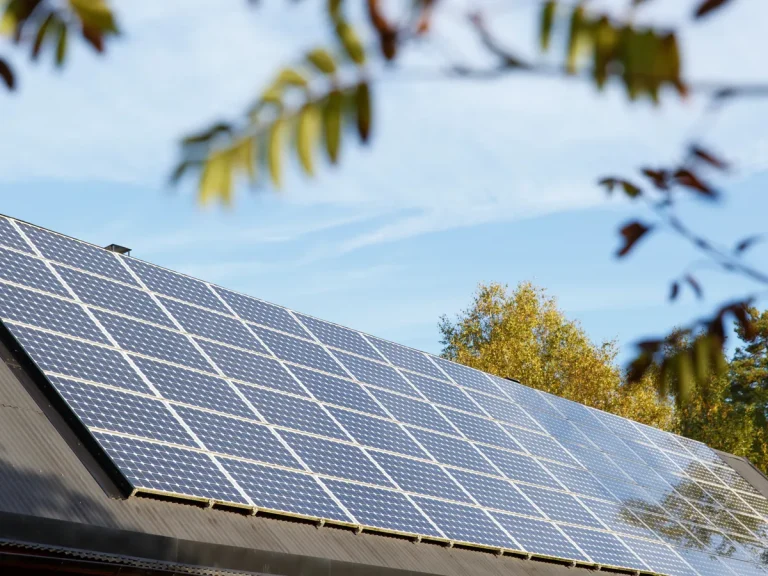
The core concept of a rainwater harvesting system for home exterior involves a “catchment-to-use” cycle. Rain falls on the roof (the catchment area), travels through gutters and downspouts (the conveyance system), passes through a filtration device to remove debris, and is finally stored in a tank (the cistern). Most systems also include an overflow mechanism to safely divert excess water once the tank reaches capacity.
Property owners typically approach these projects with the goal of achieving “water offset,” where collected rain replaces municipal water for high-volume exterior tasks. Typical expectations include a reduction in utility bills and a more resilient garden during municipal water restrictions. The outcome of a successful installation is a pressurized or gravity-fed water source that provides soft, chemical-free water, which is often superior to treated tap water for plant health due to the absence of chlorine and fluoride.
Key Categories of Collection and Storage Systems
Rainwater systems are categorized by their scale, complexity, and whether they rely on gravity or mechanical pumps to distribute water.
| Category / Type | Description | Common Use Case | Time / Cost / Effort Level |
| Rain Barrels | Small, above-ground containers (50–100 gallons). | Basic garden watering for small lots. | Low / Economical |
| Dry Systems | Pipes empty completely between rain events into a tank. | Residential sites with simple rooflines. | Moderate / Mid-Range |
| Wet Systems | Underground pipes remain full of water until pushed to the tank. | Large properties with multiple downspouts. | High / Premium |
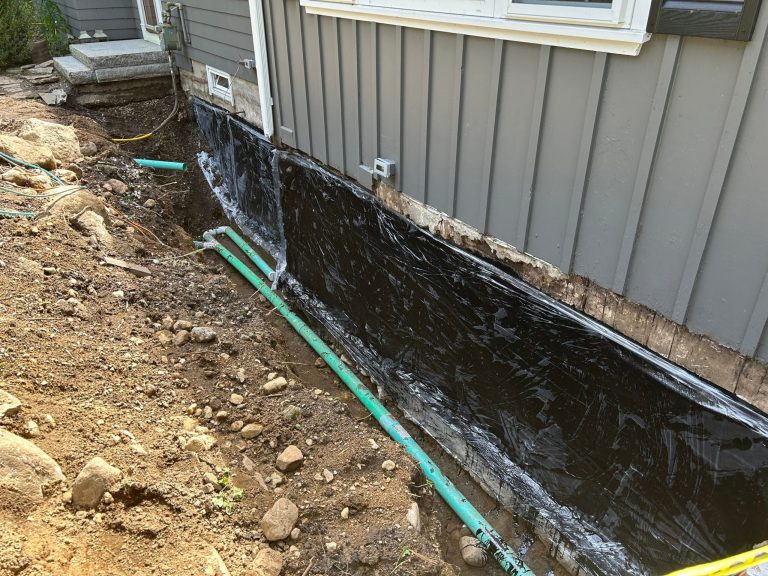
| Underground Cisterns | Large tanks buried below the frost line. | Year-round use; aesthetic-conscious lots. | Very High / Premium |
| Infiltration Systems | Redirects water into the soil via “dry wells.” | Groundwater recharge; preventing runoff. | Moderate / Mid-Range |
Choosing between these categories depends on the available space and the “yield” of the roof. A small rain barrel is sufficient for a few flower beds, but a dry or wet system with a large cistern is necessary for property owners intending to irrigate a full landscape or wash multiple vehicles.
Practical Scenarios for System Application
Scenario 1: The Urban Garden Supplement
A homeowner in a metropolitan area with a small footprint seeks to capture water for a vegetable patch.
-
Components: A 50-gallon plastic barrel, a downspout diverter, and a fine-mesh screen.
-
Process: The diverter is installed mid-downspout; once the barrel is full, the diverter automatically sends excess water back into the municipal sewer or storm drain.
-
Relevance: This is the most accessible entry point for a rainwater harvesting system for home exterior use, requiring minimal technical skill.
Scenario 2: The Semi-Arid Landscape Buffer
A property in a region with long dry spells and heavy, infrequent rainfall.
-
Components: A 1,500-gallon above-ground slimline tank, a “first-flush” diverter, and a 1/2 horsepower pump.
-
Process: Water is collected from the entire roof area; the first-flush diverter discards the initial “dirty” runoff before allowing clean water into the tank.
-
Relevance: This scenario prioritizes water quality and volume, ensuring enough storage to bridge the gap between seasonal rains.
Scenario 3: The Cold-Climate Year-Round System
Installation in an environment where surface water freezes during winter months.
-
Components: A 3,000-gallon buried concrete cistern, heat-traced conveyance pipes, and an internal suction filter.
-
Process: The tank is buried 4 feet deep; water is drawn from the center of the tank to avoid sediment at the bottom and ice at the top.
-
Relevance: This use-case addresses the mechanical challenges of expansion and freezing, providing a stable water source regardless of temperature.
Comparison: Scenario 1 focuses on simplicity; Scenario 2 focuses on high-volume filtration; Scenario 3 focuses on climate resilience. Readers should assess their local frost depth and rainfall frequency before selecting a configuration.
Planning, Budgeting, and Resource Considerations
Planning requires calculating the “potential harvest” using a standard formula: Catchment Area (sq ft) × Rainfall (inches) × 0.623 = Total Gallons. This ensures the storage tank is correctly sized for the roof’s output.
| Category | Estimated Amount (Example) | Explanation | Optimization Tips |
| Storage Tank | $200 – $3,000 | The primary cost, based on material and size. | Plastic (Polyethylene) is the most cost-effective. |
| Filtration | $50 – $500 | Leaf screens and first-flush diverters. | Invest in high-quality screens to reduce tank cleaning. |
| Pump / Distribution | $150 – $800 | Submersible or external pumps and hoses. | Gravity-fed systems (elevated tanks) save on energy. |
| Excavation / Prep | $200 – $2,000 | Leveling the ground or burying the cistern. | Use a gravel base to prevent the tank from settling. |
Note: These figures are illustrative examples based on 2026 market trends and will vary by region and material choice.
Strategies, Tools, and Filtration Options
To maintain water quality and system longevity, several filtration strategies are employed:
-
Leaf Slides / Gutter Guards: The first line of defense, preventing large organic matter from entering the pipes.
-
Pros: Reduces the frequency of pipe clogs.
-
Cons: Requires periodic cleaning to prevent roof dams.
-
-
First-Flush Diverters: A vertical pipe that captures the first few gallons of rain, which contain the most pollutants (bird droppings, dust).
-
Pros: Significantly improves the clarity and safety of the stored water.
-
Cons: Wastes a small portion of every rainfall event.
-
-
Floating Suction Filters: A filter that floats just below the water surface in the tank.
-
Pros: Pulls the cleanest water from the middle, avoiding surface scum and bottom sediment.
-
Cons: Increases the complexity of the internal plumbing.
-
-
UV Sterilization: Using ultraviolet light to kill bacteria and algae in the water line.
-
Pros: Necessary if the water is used for spraying edible crops or delicate features.
-
Cons: Requires a constant electrical connection and bulb replacement.
-
Safety, Risks, and Common Challenges
-
Stagnant Water and Mosquitoes: Open or poorly screened tanks become breeding grounds for insects. Mitigation: Ensure every entry and exit point is covered with a mesh screen smaller than 1mm.
-
Tank “Floating”: An empty underground tank can be pushed out of the ground by rising groundwater (hydrostatic pressure). Prevention: Ensure the tank is properly anchored or always kept partially full.
-
Cross-Contamination: Accidentally connecting rainwater pipes to municipal drinking water lines. Rule: Rainwater systems must be physically separated from potable lines and clearly labeled with “Non-Potable” signage.
-
Weight Loads: A 1,000-gallon tank weighs over 8,000 lbs. Safety: Ensure the foundation (concrete pad or compacted gravel) can support the dead weight without shifting.
Maintenance and Long-Term Management
A rainwater harvesting system for home exterior requires a consistent maintenance schedule to ensure water remains clear and the system does not fail during a storm.
-
Pre-Storm Inspection: Clear gutters and roof valleys of leaves and debris.
-
Quarterly Screen Cleaning: Remove sediment from the leaf slide and first-flush diverter.
-
Annual Tank Flush: Check the bottom of the cistern for “sludge” buildup. Professional cleaning may be required every 3–5 years.
-
Winterization: In cold climates, drain all above-ground pumps and pipes before the first freeze to prevent bursting.
Documentation and Reporting
Organizing the project’s technical data is useful for insurance purposes and future home buyers.
-
System Mapping: Create a diagram of all buried lines and the location of the “overflow” exit.
-
Water Savings Logs: Track the amount of water collected to justify the investment and monitor for leaks.
-
Example 1: A homeowner saves the manufacturer’s specifications for their “food-grade” liner to prove the water is safe for a backyard orchard.
-
Example 2: An owner maintains a record of annual “backflow prevention” tests, which may be required by local water authorities.
Closing Summary
A well-engineered rainwater harvesting system for home exterior use provides a durable solution for water conservation and property resilience. By combining efficient catchment surfaces with robust filtration and appropriately sized storage, property owners can effectively manage stormwater while securing a high-quality water resource for all exterior maintenance needs.